



10 Years of ISHKAR
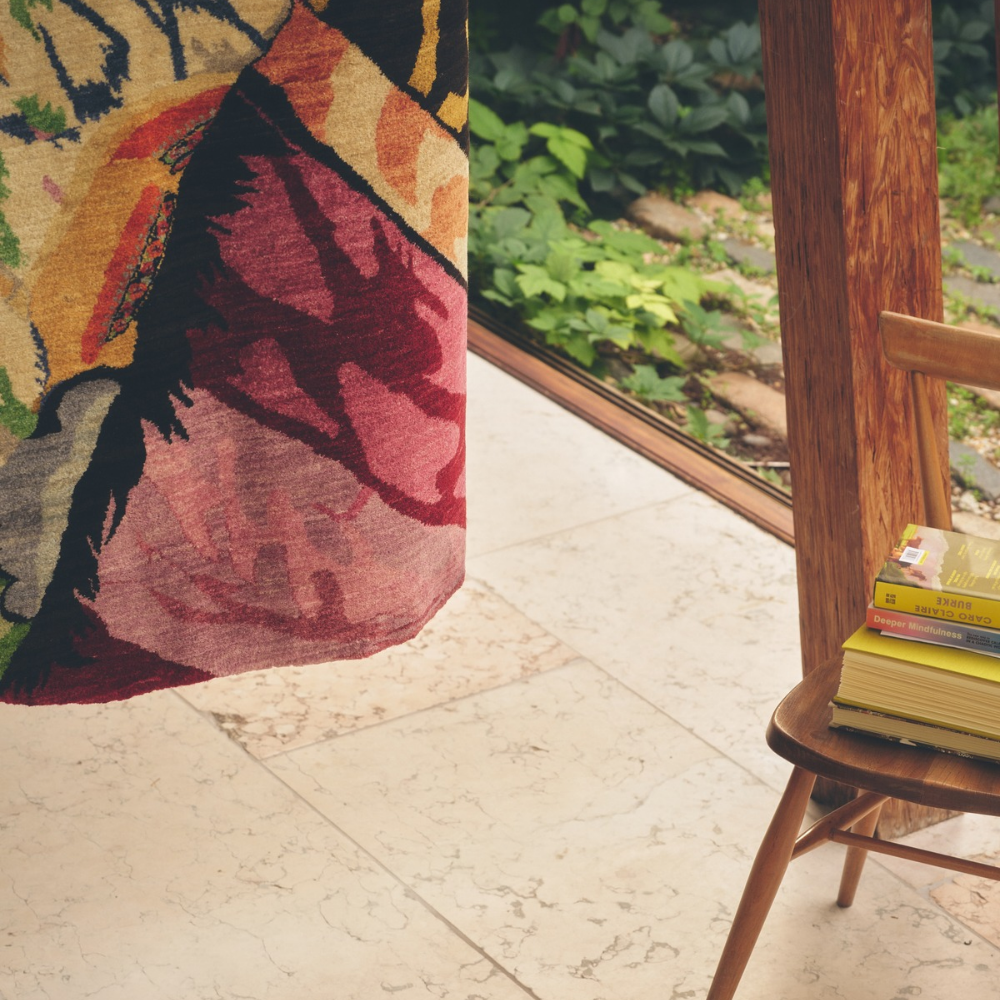
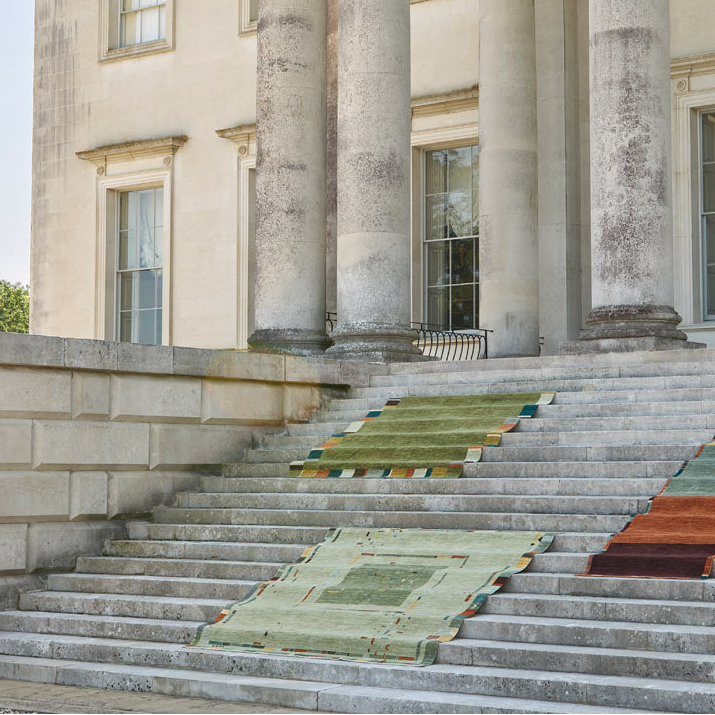
To celebrate ISHKAR's 10th anniversary, we have invited 10 world leading artists and designers to design a unique rug exploring the theme of “Togetherness”, in celebration of connection - across borders, cultures, and creative practices.
Collaborating Artists
Collection available to purchase exclusively through ISHKAR
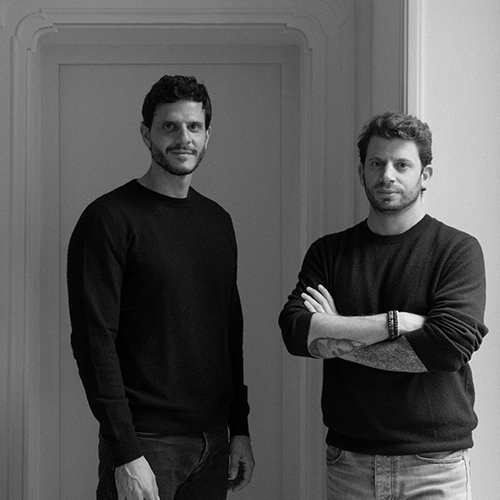
Founded in Beirut in 2011 by David Raffoul and Nicolas Moussallem, david/nicolas is an international studio specializing in interior, furniture, and product design. Their approach is rooted in craftsmanship, curiosity, and collaboration.
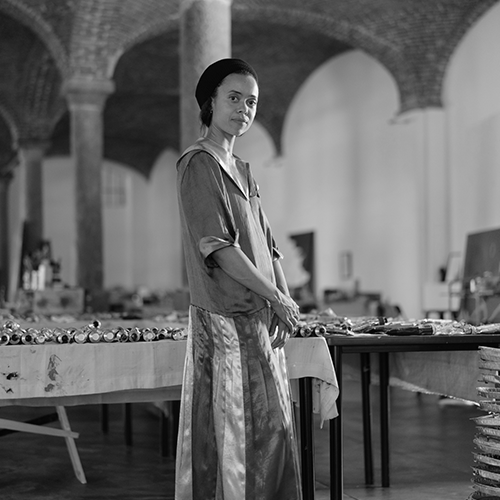
Cassi Namoda is known for her strong colour palette and narrative approach. Her hybrid narratives are at once wondrous and poignant, everyday and fantastical, archival and current.
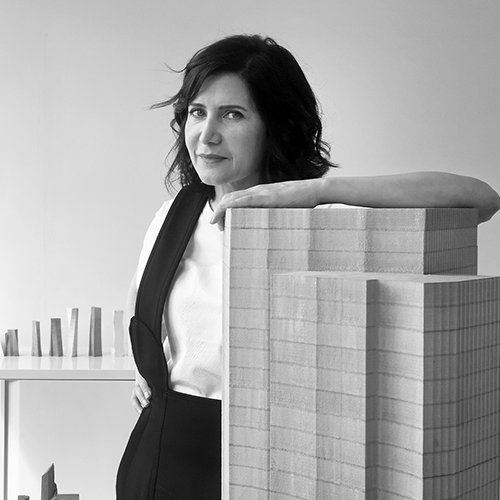
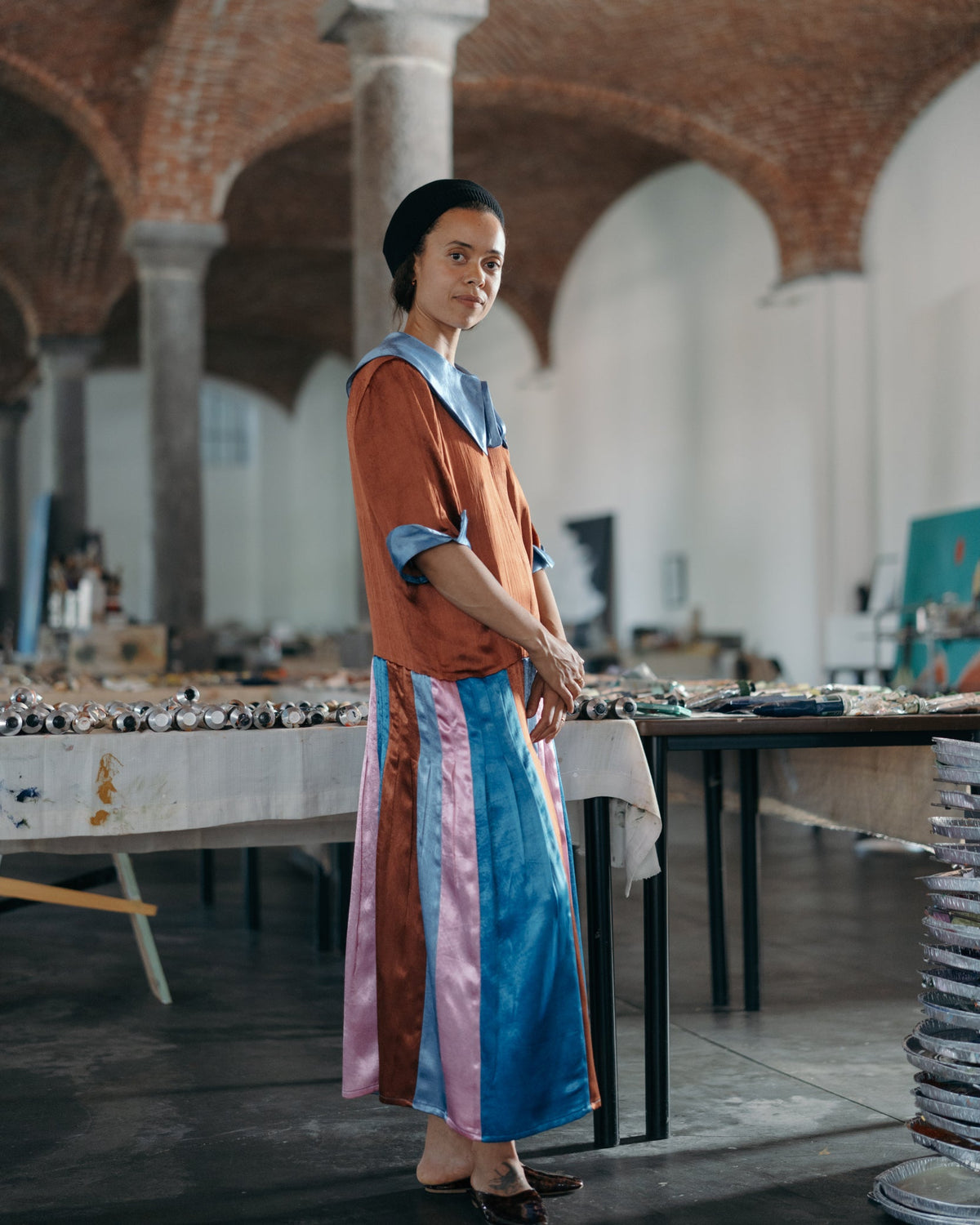
Farshid Moussavi OBE RA is an internationally acclaimed architect and Professor at Harvard University Graduate School of Design. Moussavi’s approach is characterised by an openness to change and a commitment to the intellectual and cultural life of architecture.
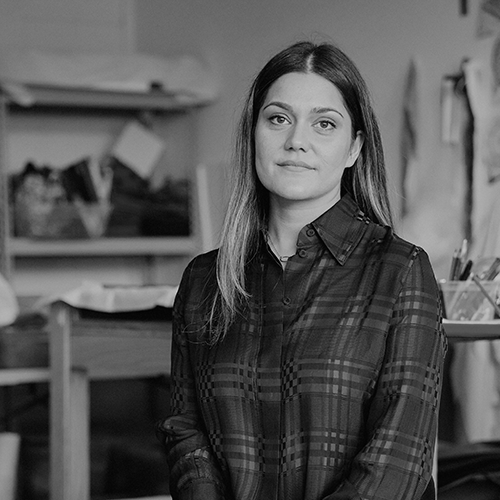
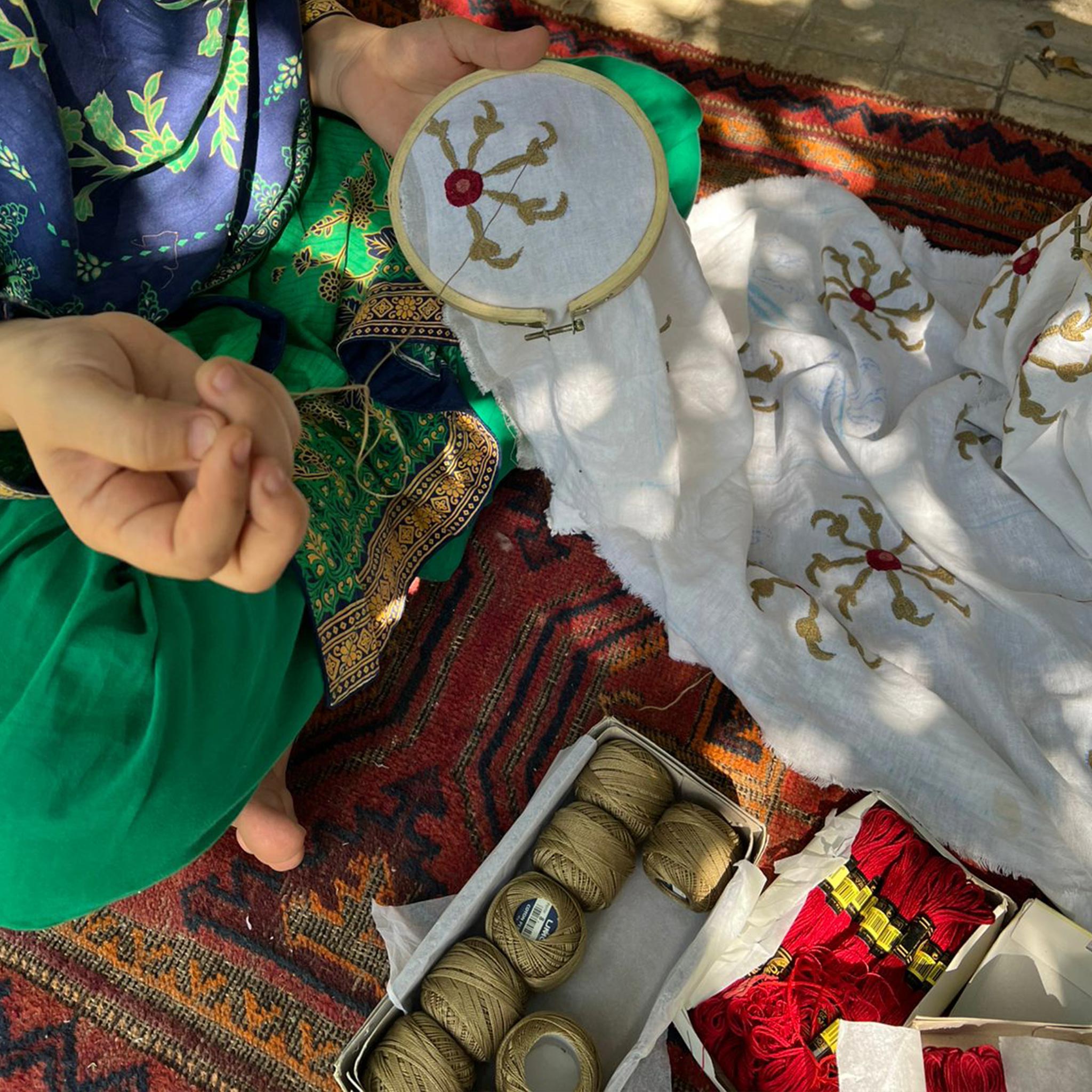
Hangama Amiri is an Afghan-Canadian artist working predominantly in textiles to examine notions of home, as well as how gender, social norms, and larger geopolitical conflict impact the daily lives of women, both in Afghanistan and in the diaspora.
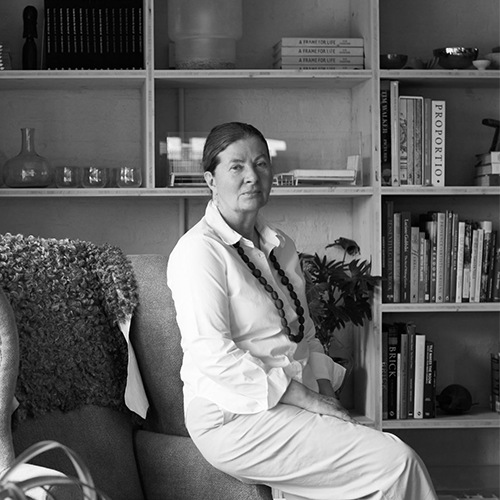
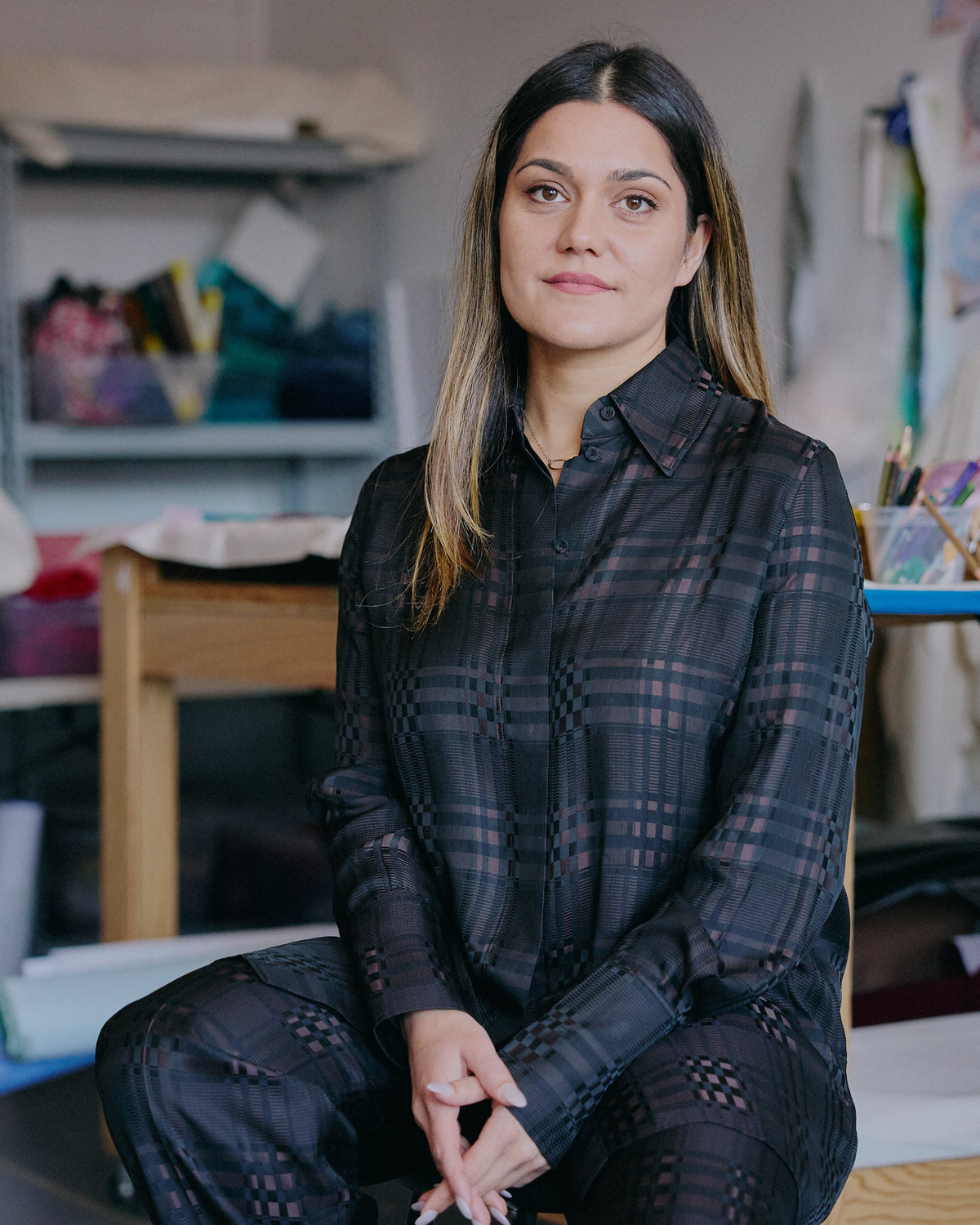
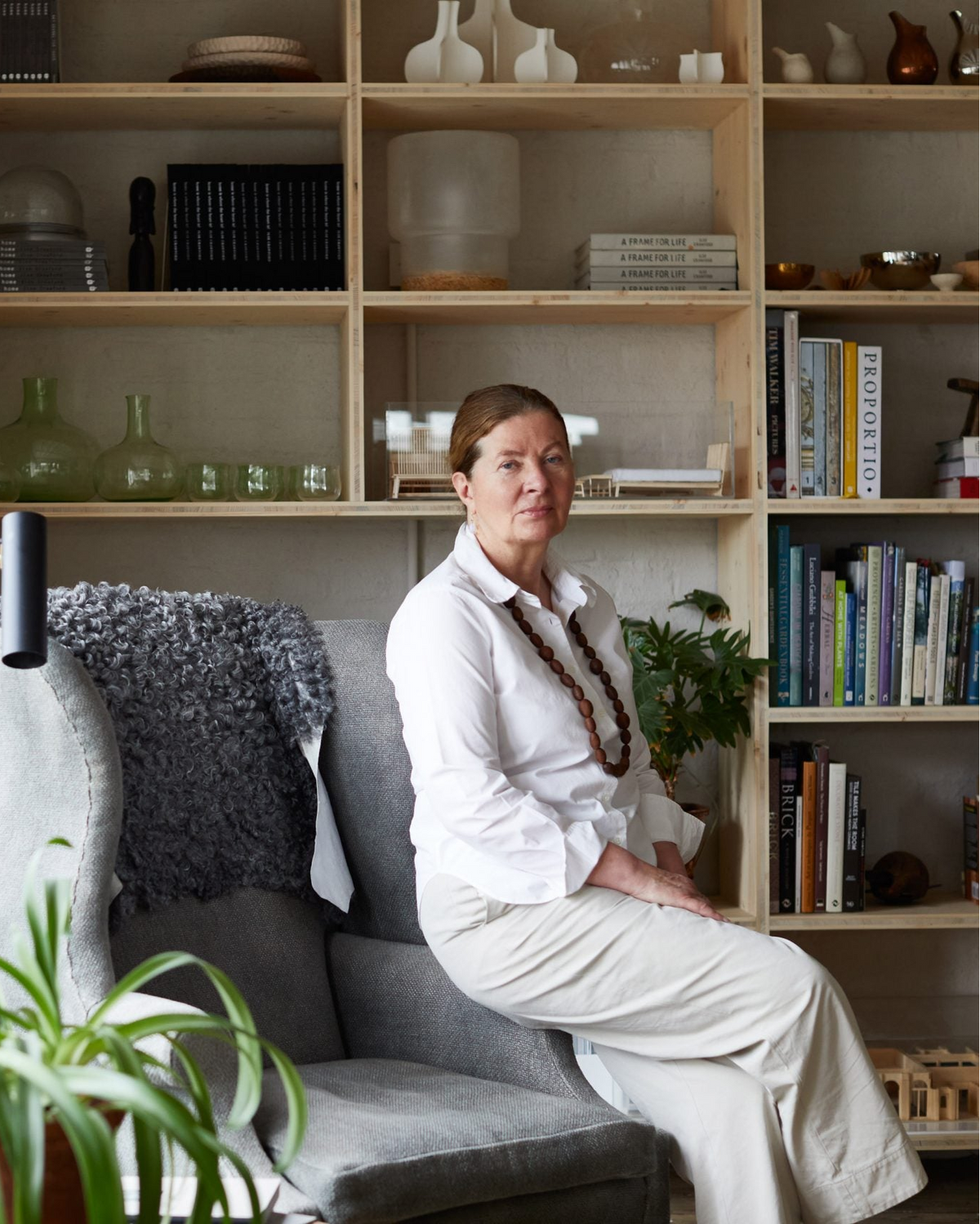
Ilse Crawford is a designer, teacher, creative director and founder of Studioilse. By choosing to address true human needs, she has pioneered humanistic design in its real life application to environments, objects and experiences.
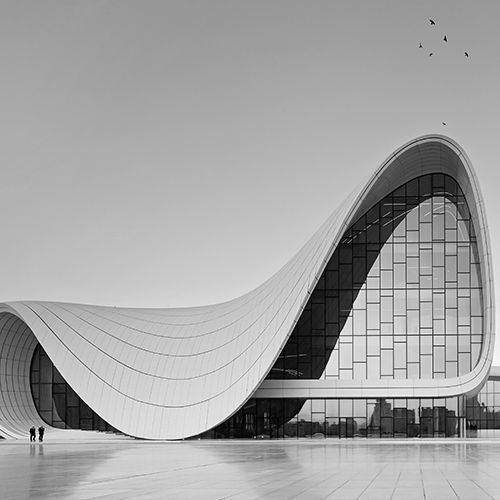
ZHA is a British architecture and design firm founded by renowned architect Zaha Hadid (1950–2016). The firm works at all scales and in all sectors, creating transformative, cultural, corporate, residential and other spaces that work in synchronicity with their surroundings.
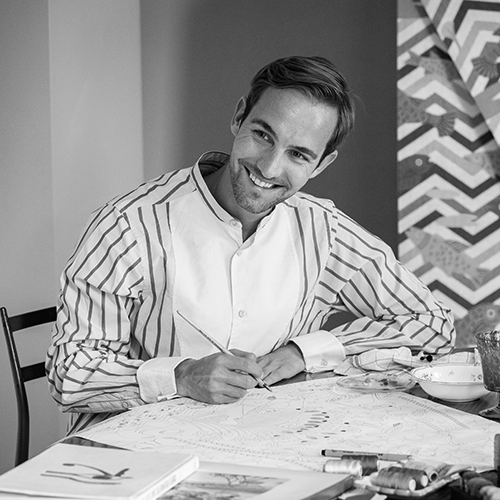
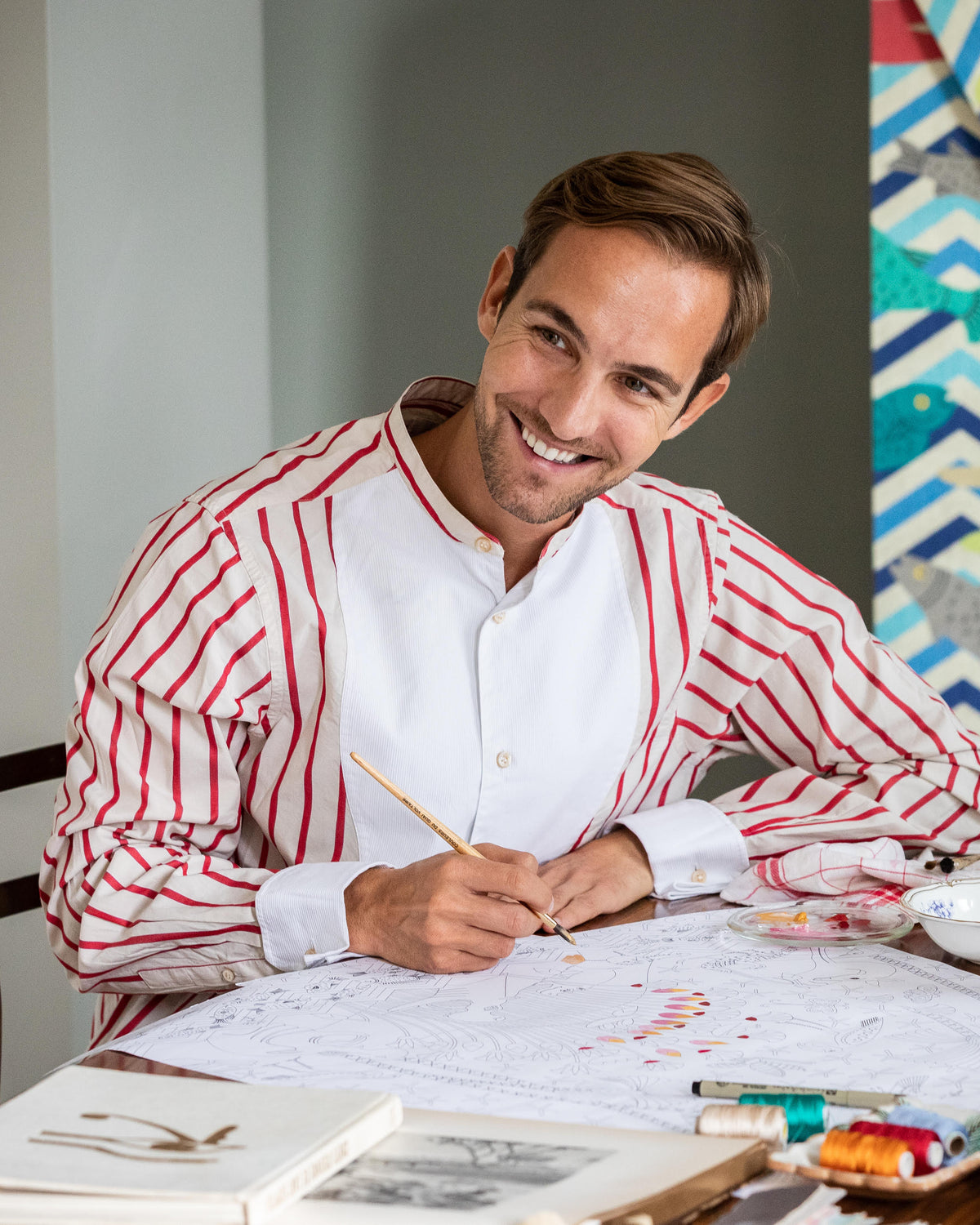
Louis Barthélemy is an illustrator, textile designer and artist, who collaborates with artisans around the world. At the core of his creative process is a deep commitment to the preservation and revival of traditional craftsmanship.
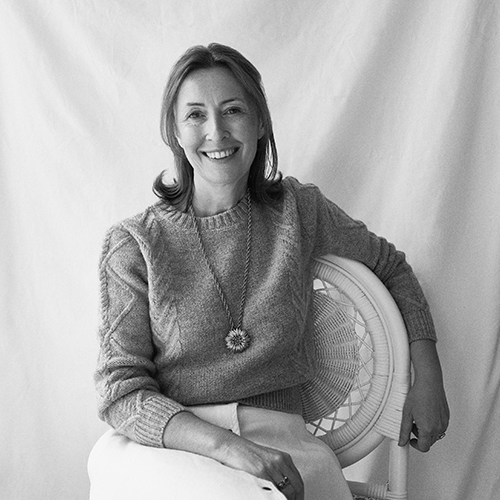
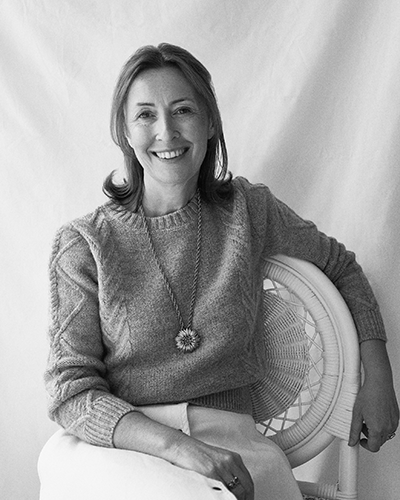
Lulu Lytle OBE is an advocate for traditional craftsmanship, which she has championed for three decades through her company, Soane Britain. Through apprenticeships, skills education and long-term investment in makers, she has worked to preserve Britain's craft heritage and secure a thriving future for endangered making skills.
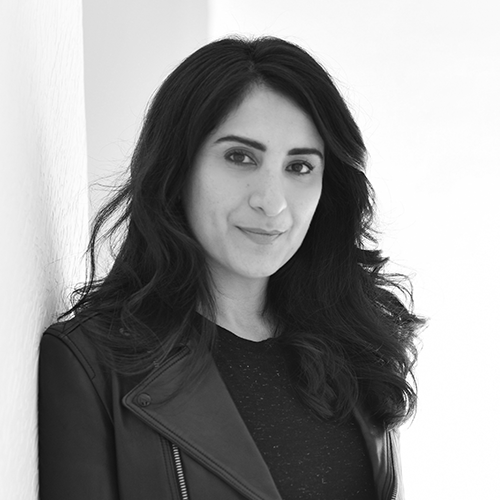
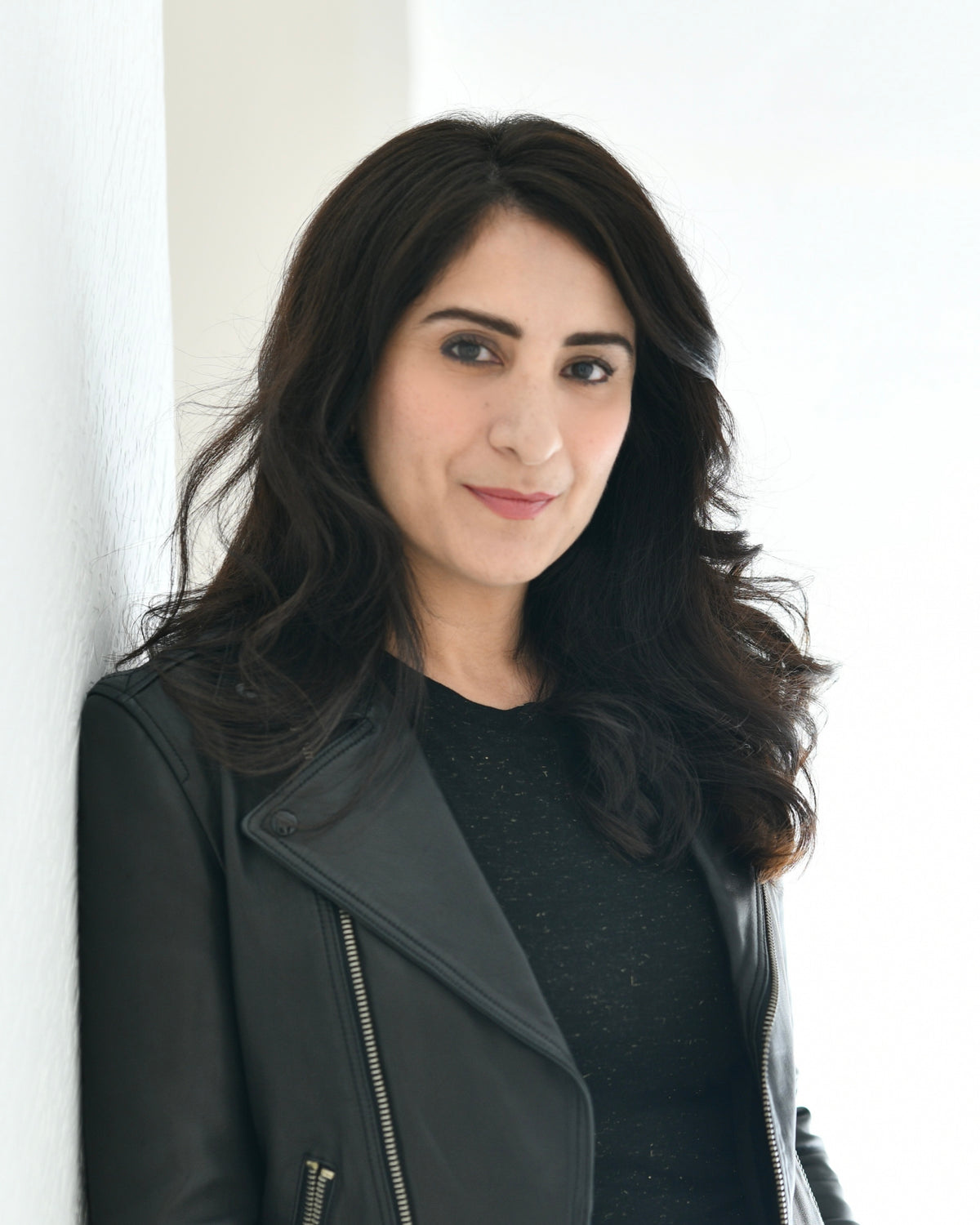
Meherunnisa Asad is a multidisciplinary artist working primarily in stone. Using the logic of inlay- cutting, fitting and fracture- she works with artisans to explore how histories are held rather than repaired. She is Artistic Director of Studio Lél in Peshawar.
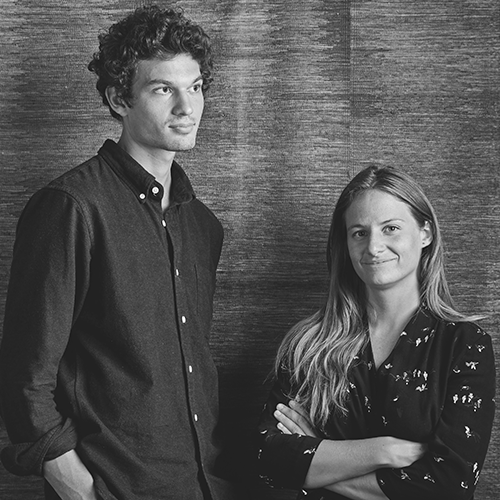
ISHKAR
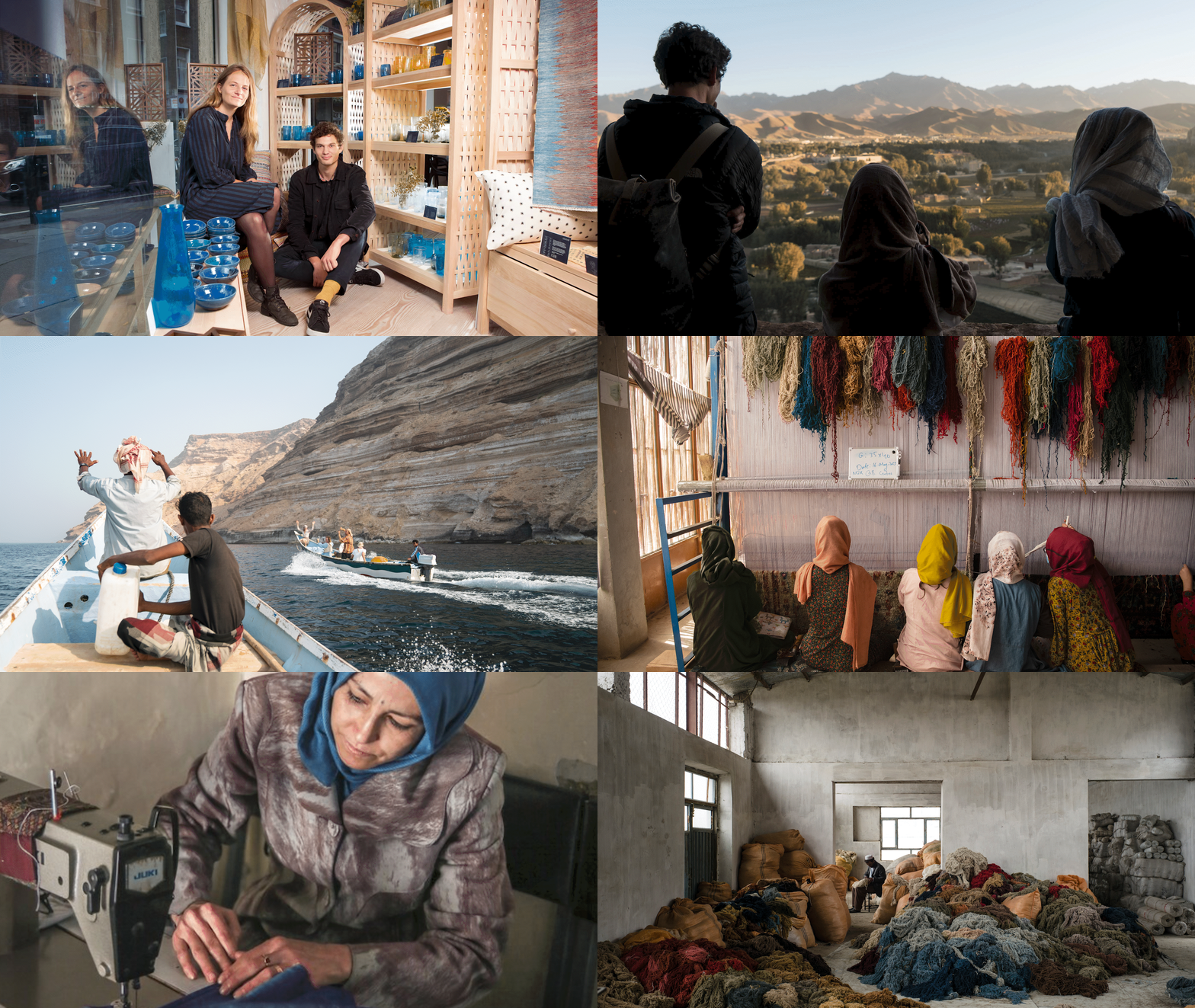
With 10 years of working with Afghan weavers and artisans, it only felt right for ISHKAR to include a new design of our own for the celebration, drawing on our connection to people and place, and the feeling of togetherness transcending borders.
Where we've come, and where we're going
Our journey since 2016
ISHKAR was founded in Afghanistan in 2016 with the belief that luxury craftsmanship has the power to change the way the world views places impacted by conflict.
Over the last 10 years, we have sought out master artisans working with exceptional natural materials and an interest in pushing inherited knowledge forward.
Marking our anniversary, we have invited 10 artists and designers to interpret the rich cultural heritage of Afghanistan by designing a carpet each, which have all been handmade by master weavers in Afghanistan.
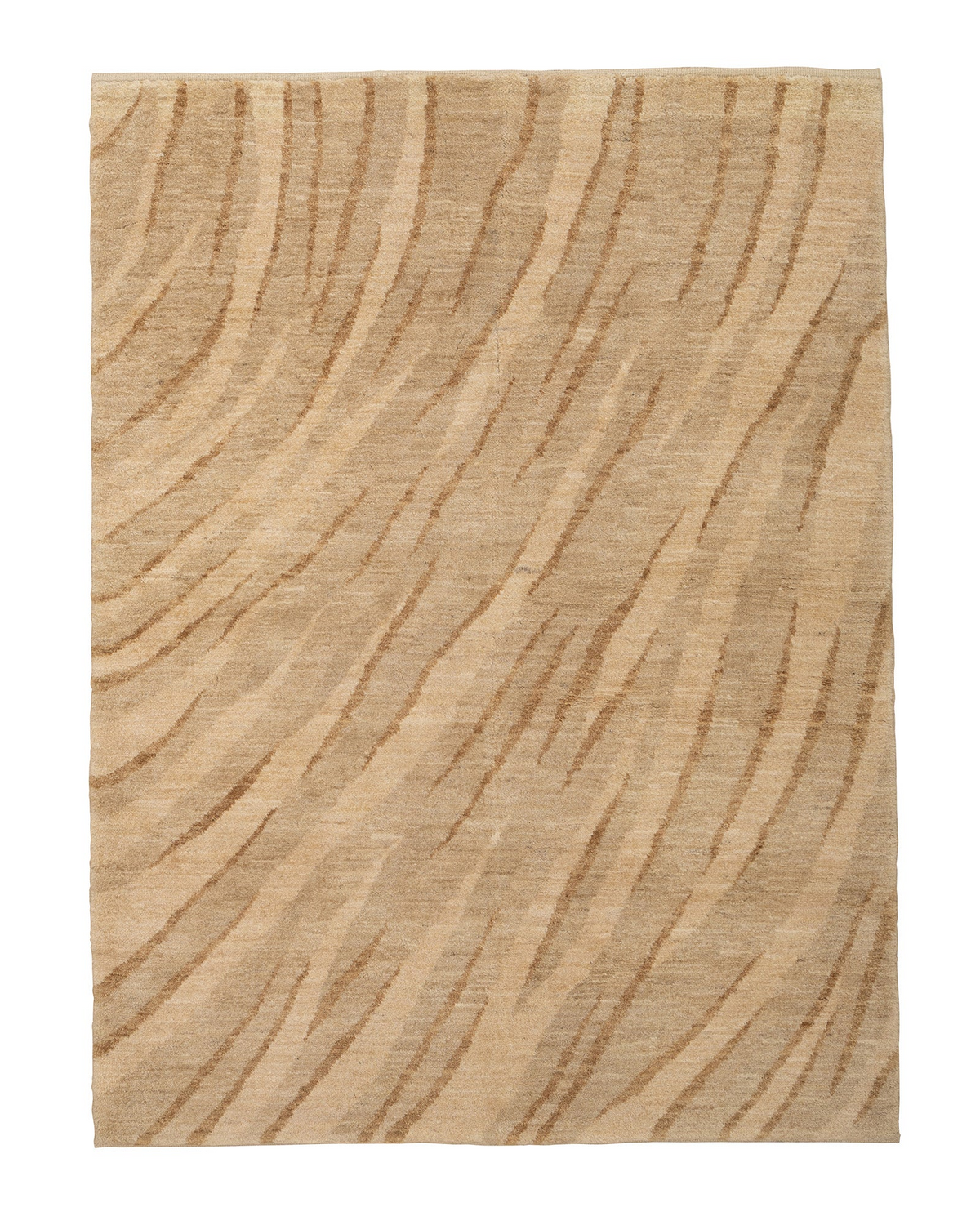
David/Nicolas
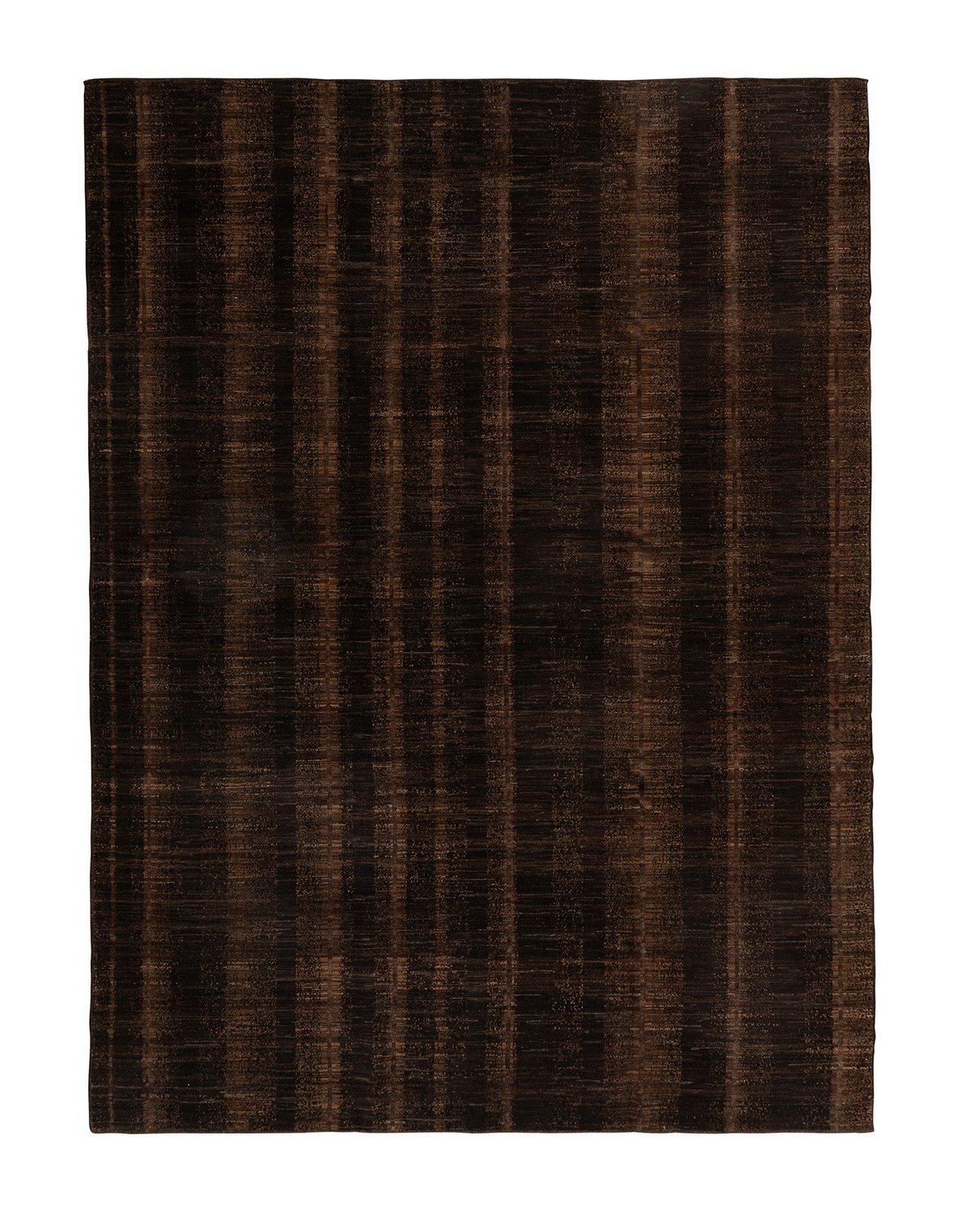
Sillage is defined by a continuous sequence of lines that rise and curve from left to right, creating a fluid sense of movement, rhythm and relief. Inspired by natural formations, the design evokes the layered contours of a landscape, the grain of wood and surfaces gradually shaped by wind or water.


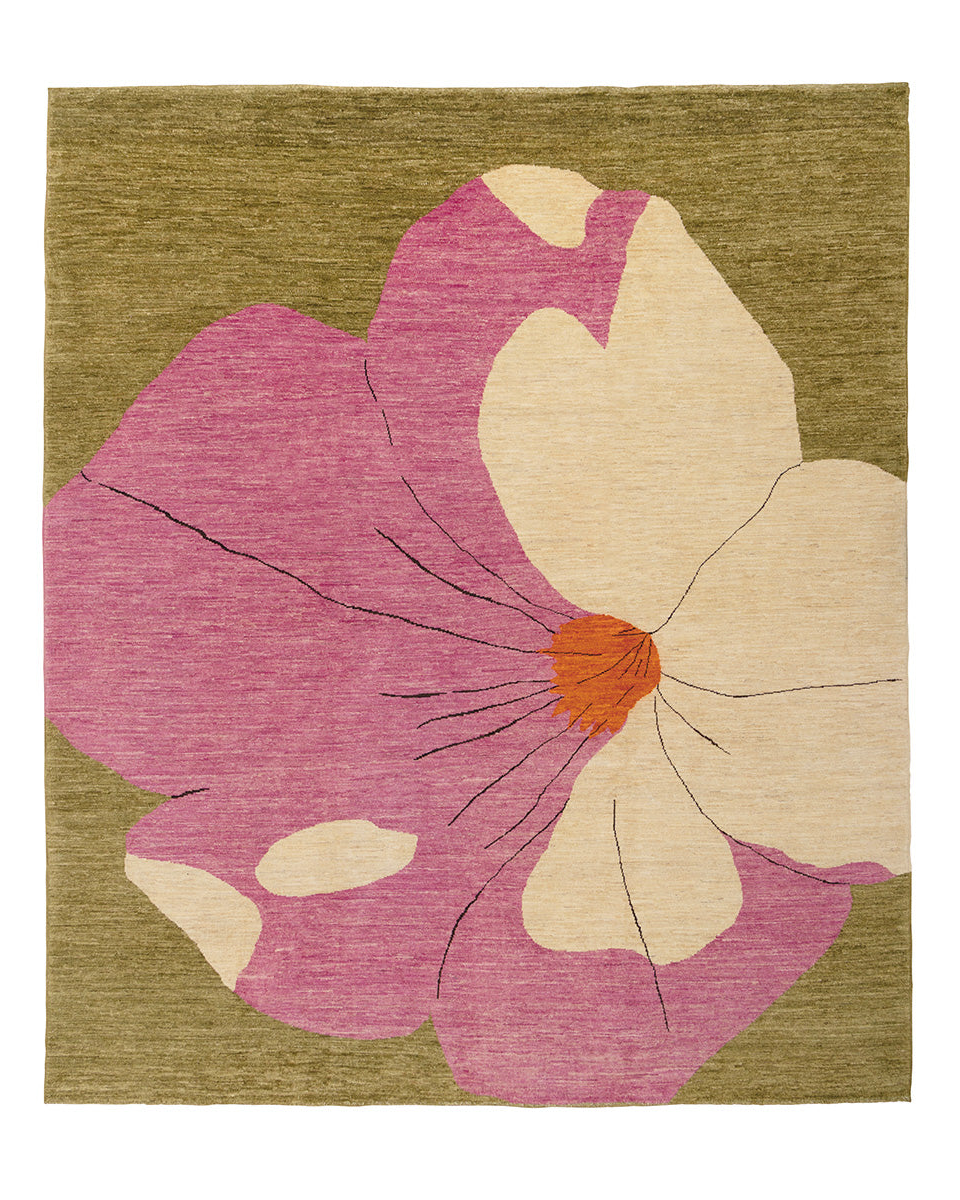
Cassi Namoda
Arafah Gazas Appearance is an ode to the arrival of Cassi Namoda’s daughter and the profound transformation that accompanied her birth. The work reflects on presence, memory, and the quiet yet monumental shifts that redefine our understanding of home, lineage, and the future.

Farshid Moussavi
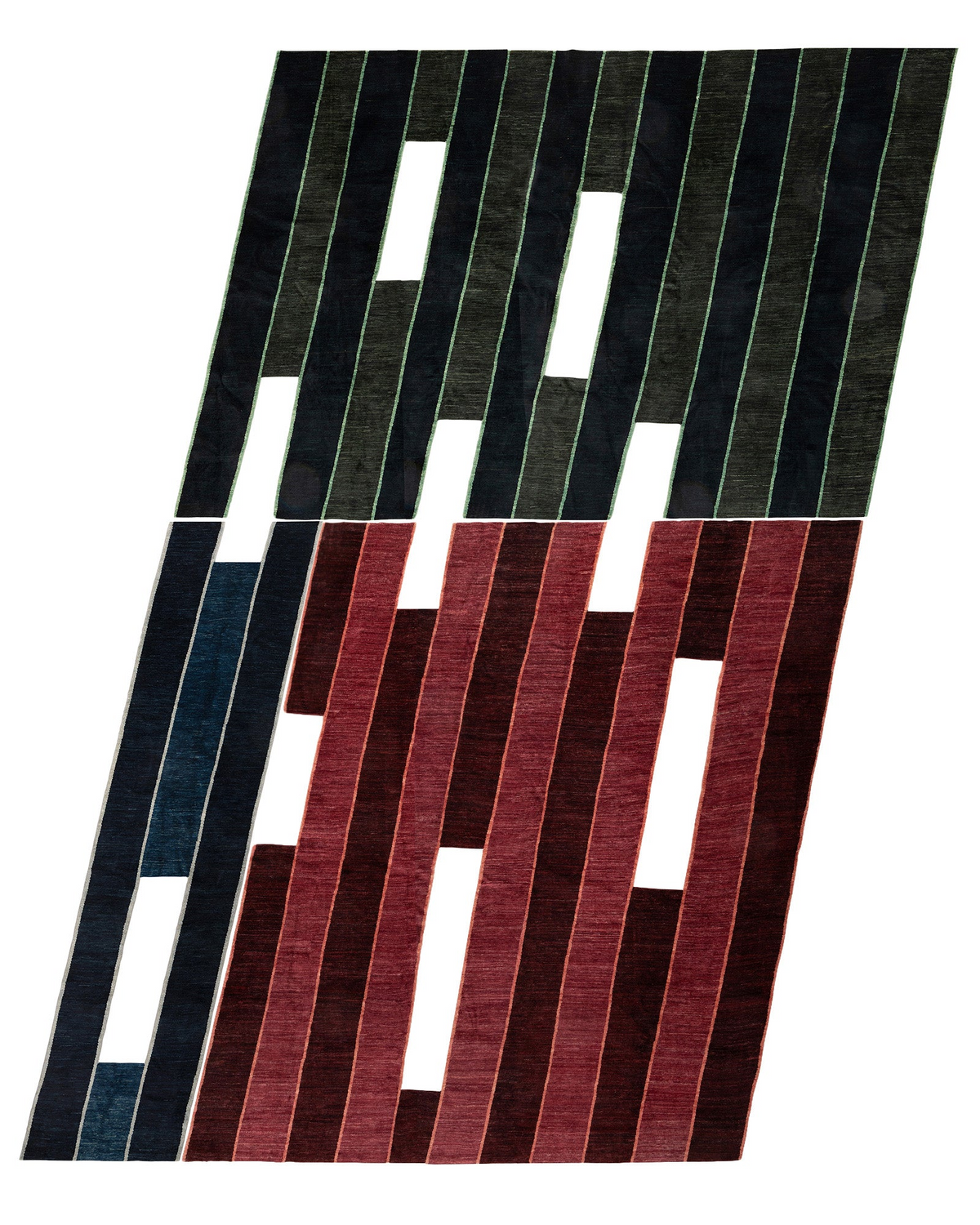
Conceived as a triptych, Open Fields plays with porosity through leaning stripes and cut-out voids that let the floor become part of the rug. Rendered in navy, green and plum, the three can live apart or come together as one composition.


Hangama Amiri
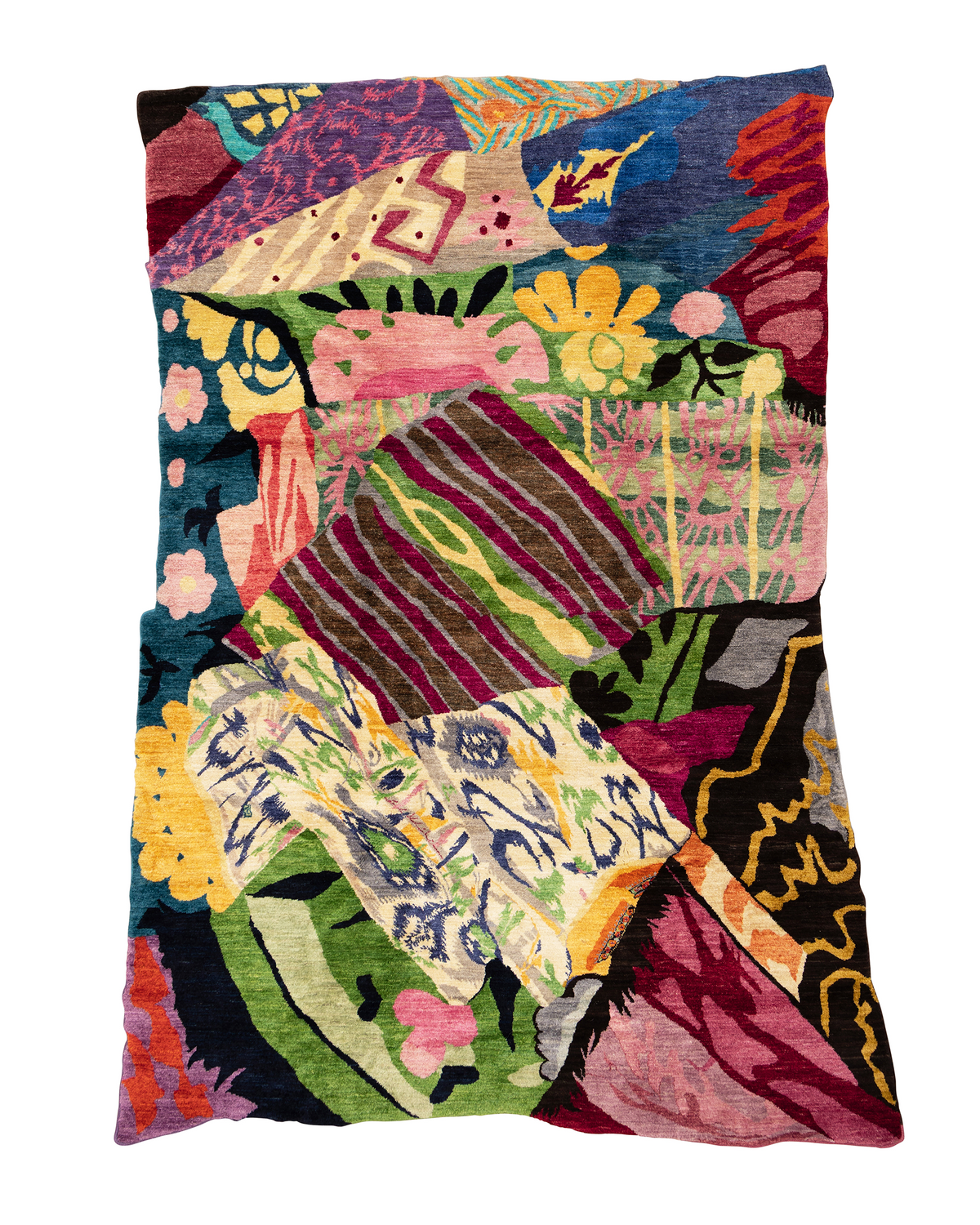
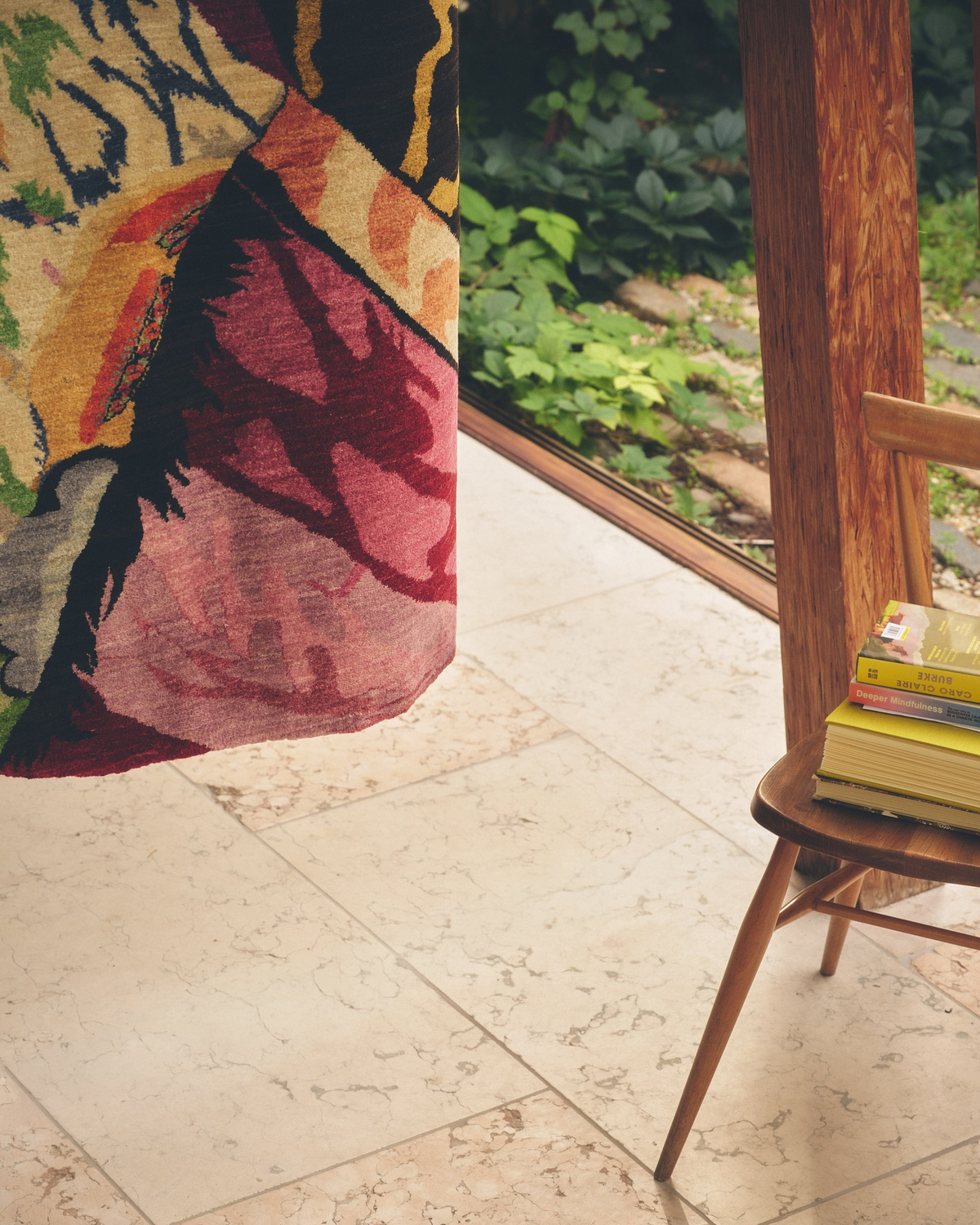
Still Life with Ikat Prints and Suzani Fabrics reflects the fabrics of Afghanistan and Central Asia, documenting Hangama Amiri’s own connection to the cultural material of these places where she was a refugee. It reminisces touches of belonging, familiarity, and celebration. The patterns explore the traditional hand labor of weaving and embroidery techniques, which are rich, symbolic, and give testimony to a history that still breathes till today.
StudioIlse
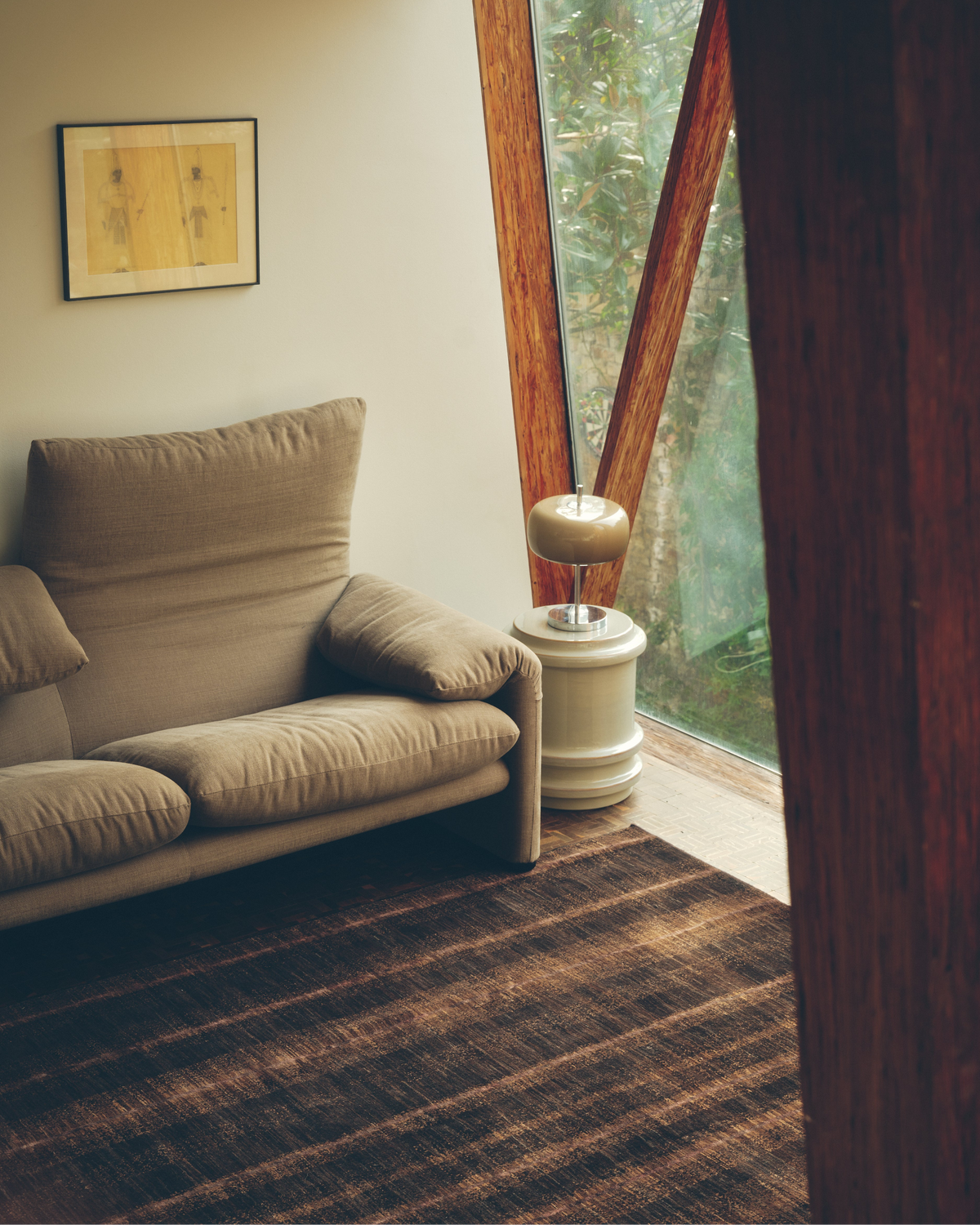
Silk Route is inspired by the history of the Silk Road and how much influence it had on the world of today. Afghanistan was not only the bridge between China, India and the West, but a major trading hub for silk, jewels, silverwork, glass, and ceramics etc., connecting crafts and cultures across borders. This is referenced by weaving fine mulberry silk lines through a tonal Ghazni wool landscape, where the undyed wool reflects the colours and materials of the land with its different fibres and colours.
ZHA
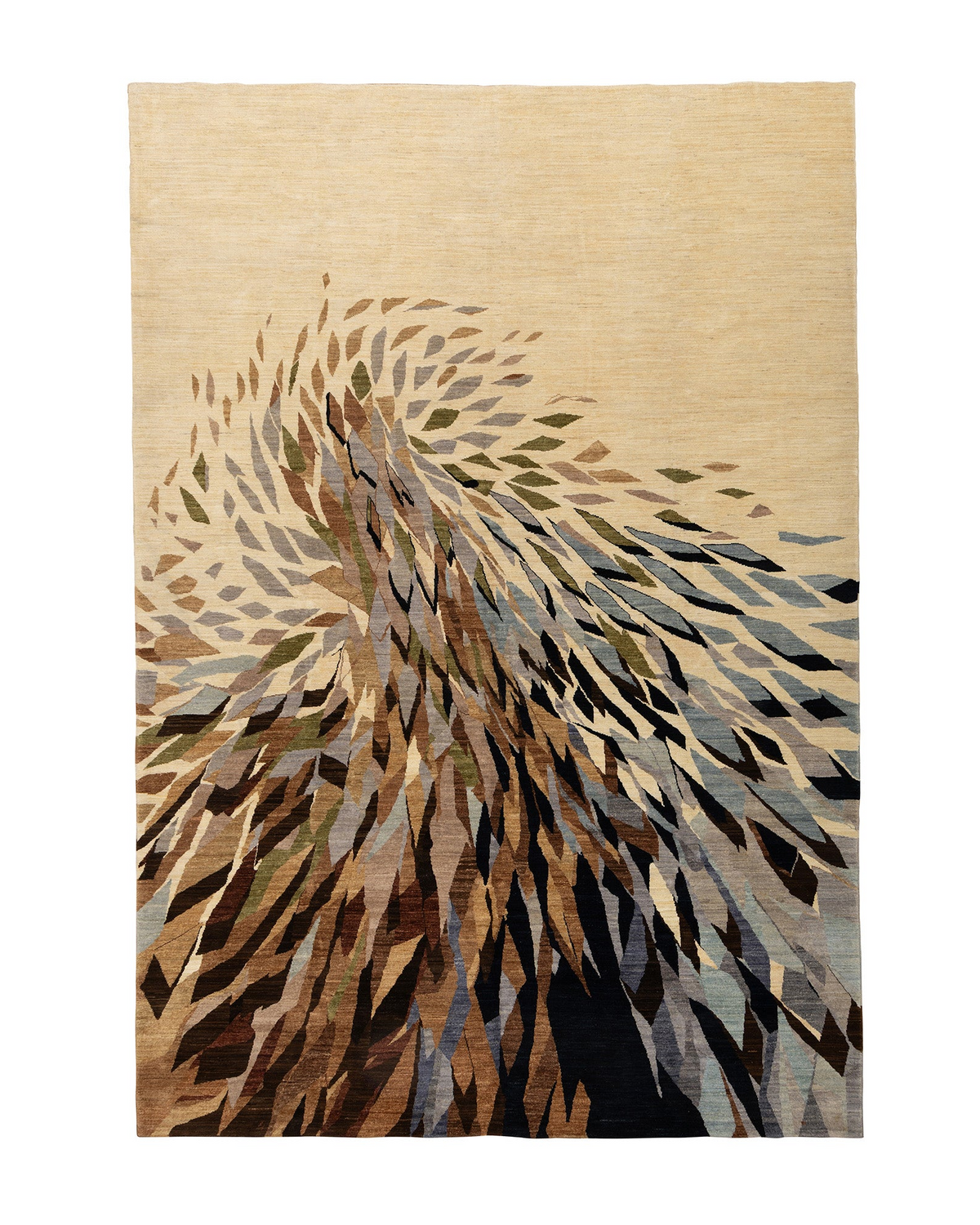
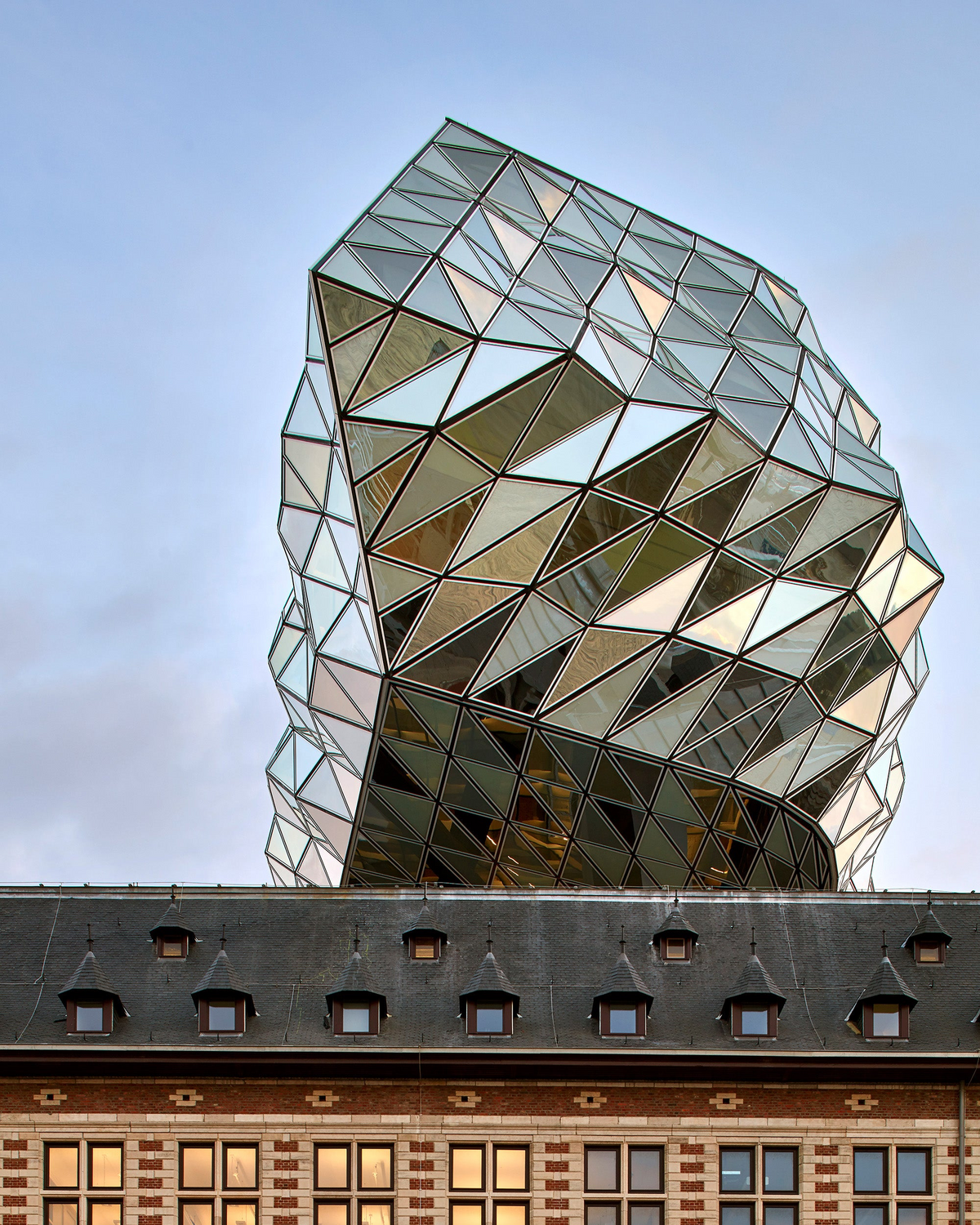
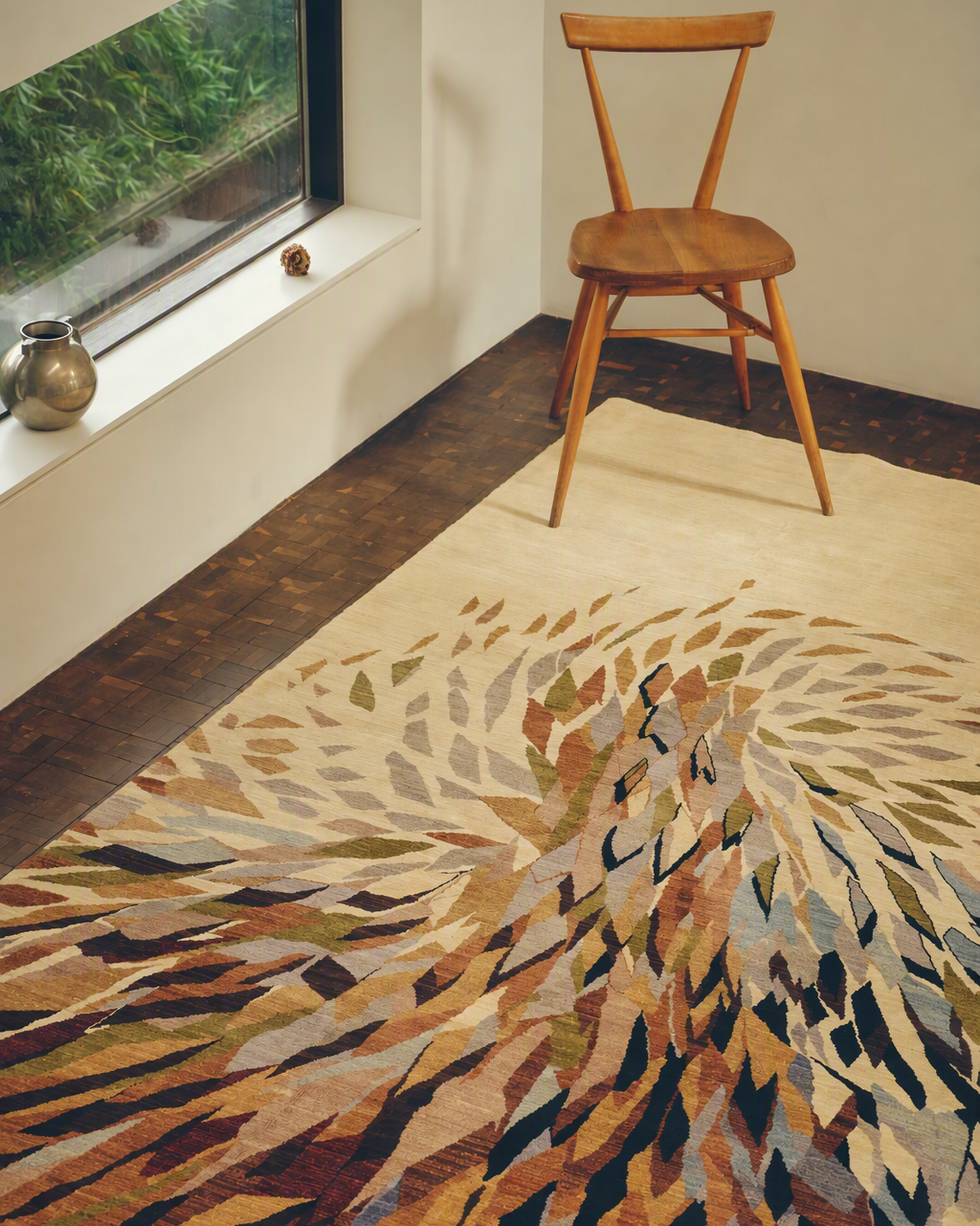
Code to Craft - Narrative Patterns is a celebration of the theme of togetherness — inspired by nature, designed with technology, and delivered through human craftsmanship. The resulting piece stands as a powerful symbol of resilience, cultural exchange, and the enduring value of handmade artistry.
Louis Barthélemy
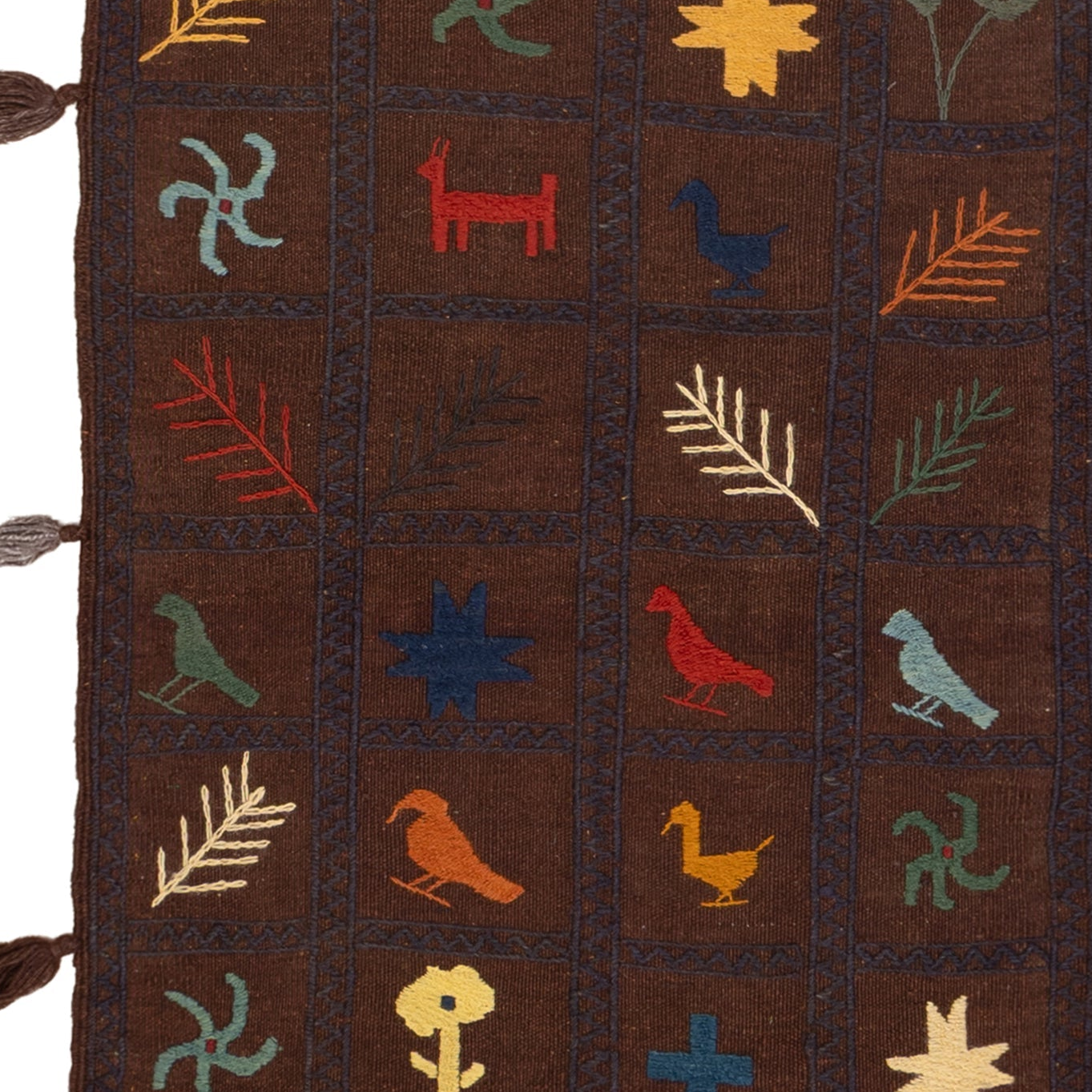
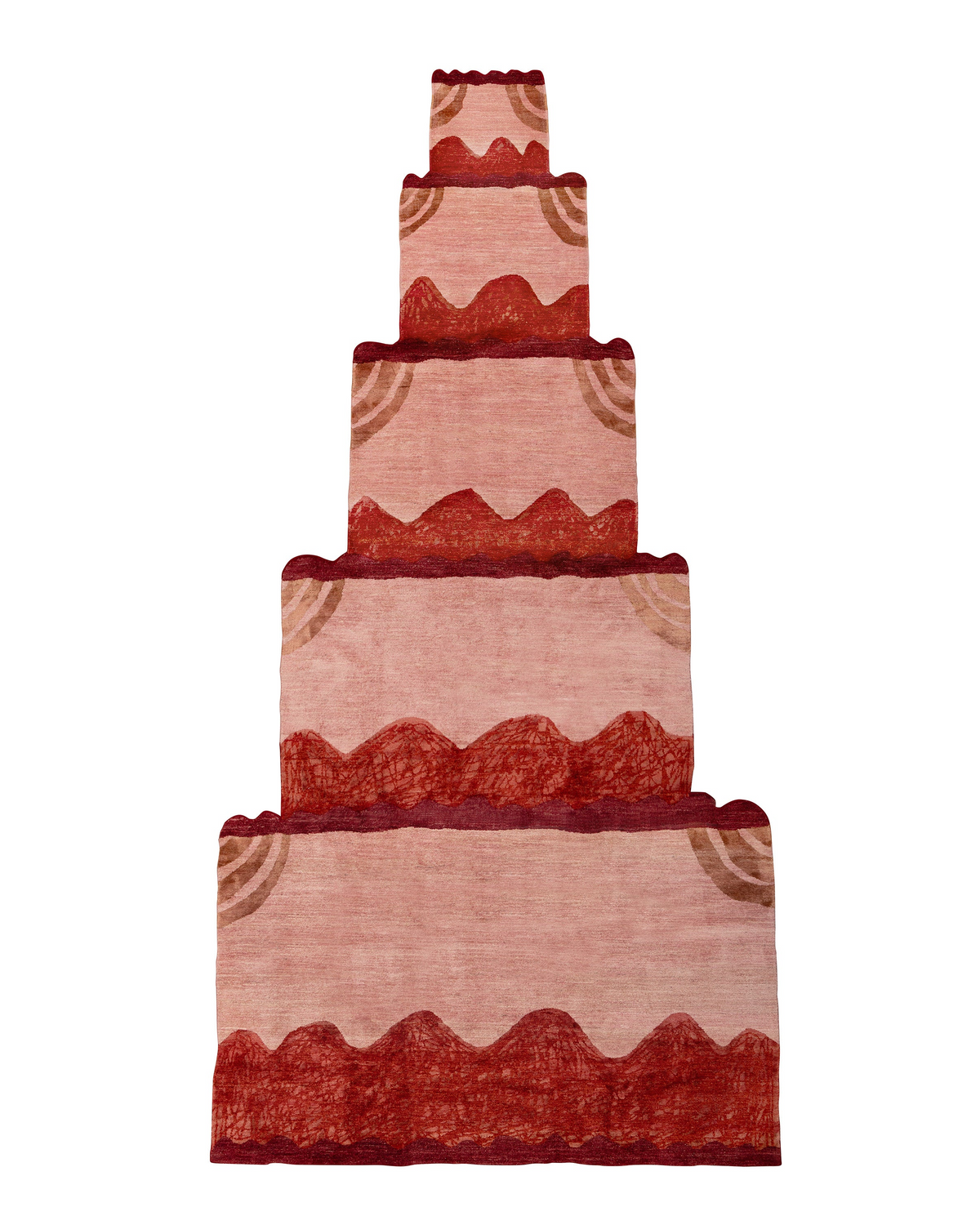
Cake is inspired by a sketch from a series of drawings made by Afghan weavers for Louis Barthélemy’s 2024 collaboration with ISHKAR. Centred around the Babur Garden of Kabul, the weavers were asked to draw elements evoking happy memories associated with the park. The recurring symbol of the cake appeared as a symbol of celebration, birthdays and joyful gatherings, perhaps picnics in the garden.

Lulu Lytle
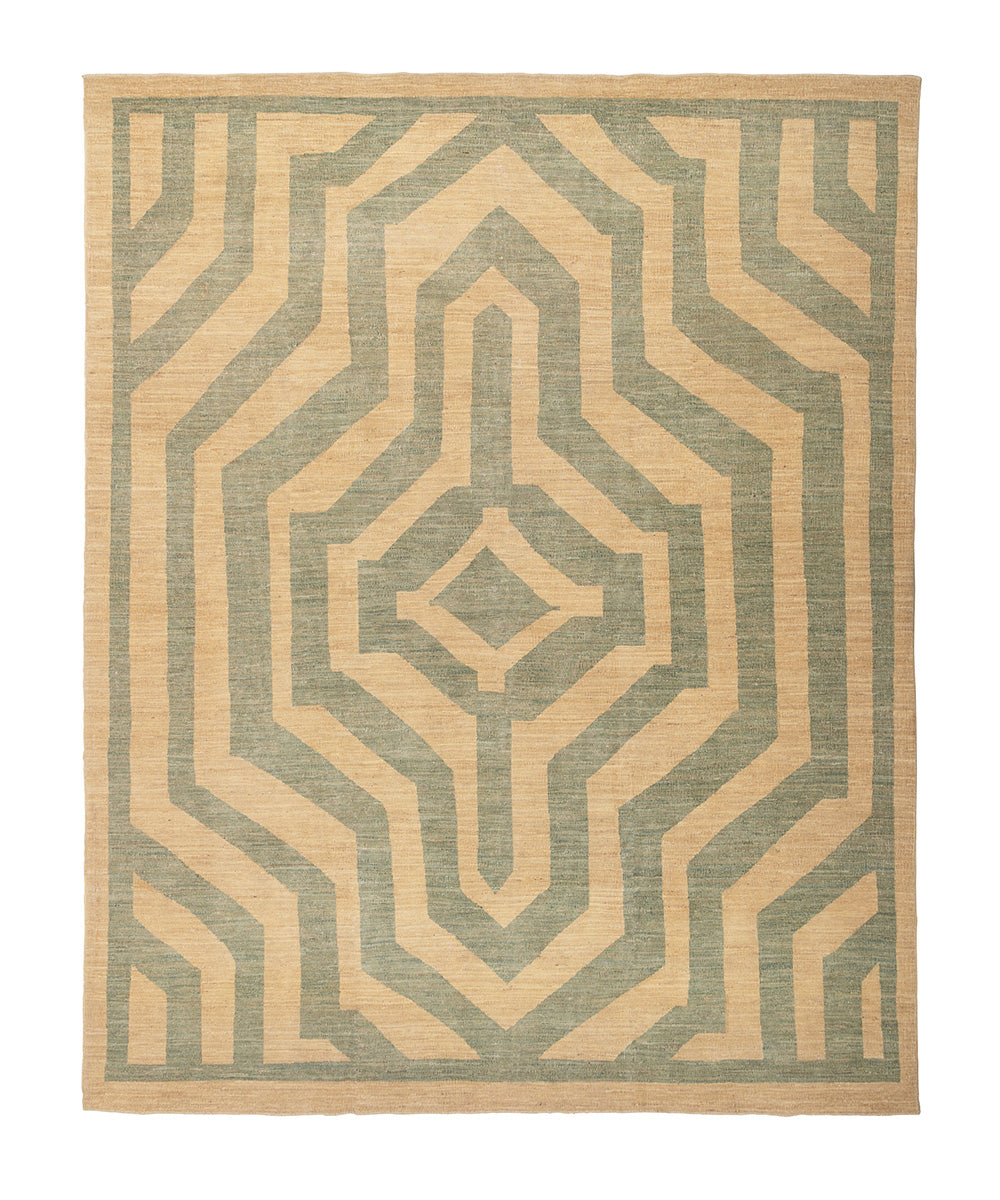
Juy (meaning stream in Dari) is a simple design, inspired by the water channels of Persian Chaharbagh paradise gardens, as depicted in historic garden carpets, where streams, trees, birds and flowering plants create woven images of abundance and harmony. The design reflects water as a life-giving, precious force. Within the collection’s theme of Togetherness, the flowing channels became a symbol of connection: precious water shared, gathered and carried through the garden.

Meherunnisa Asad
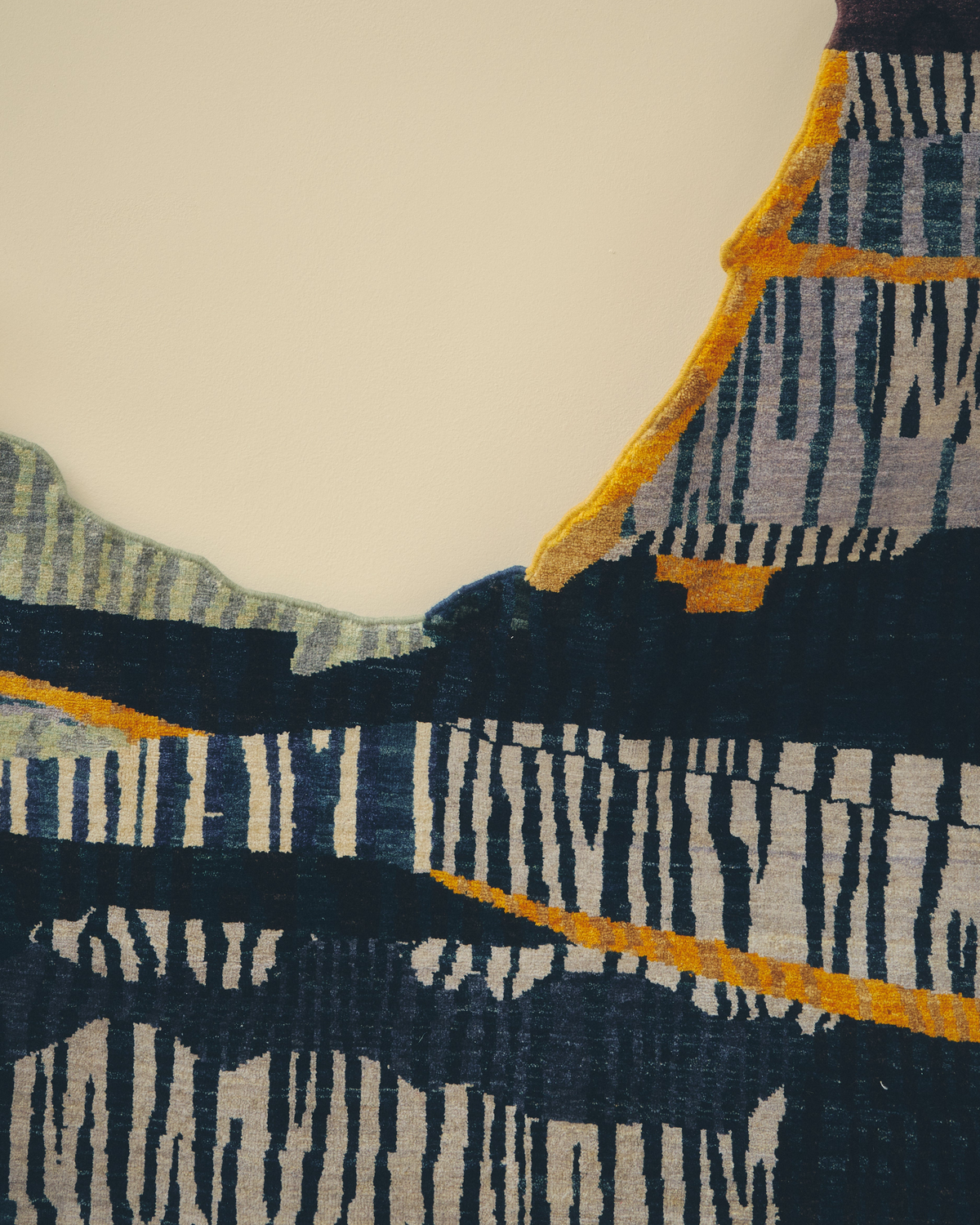
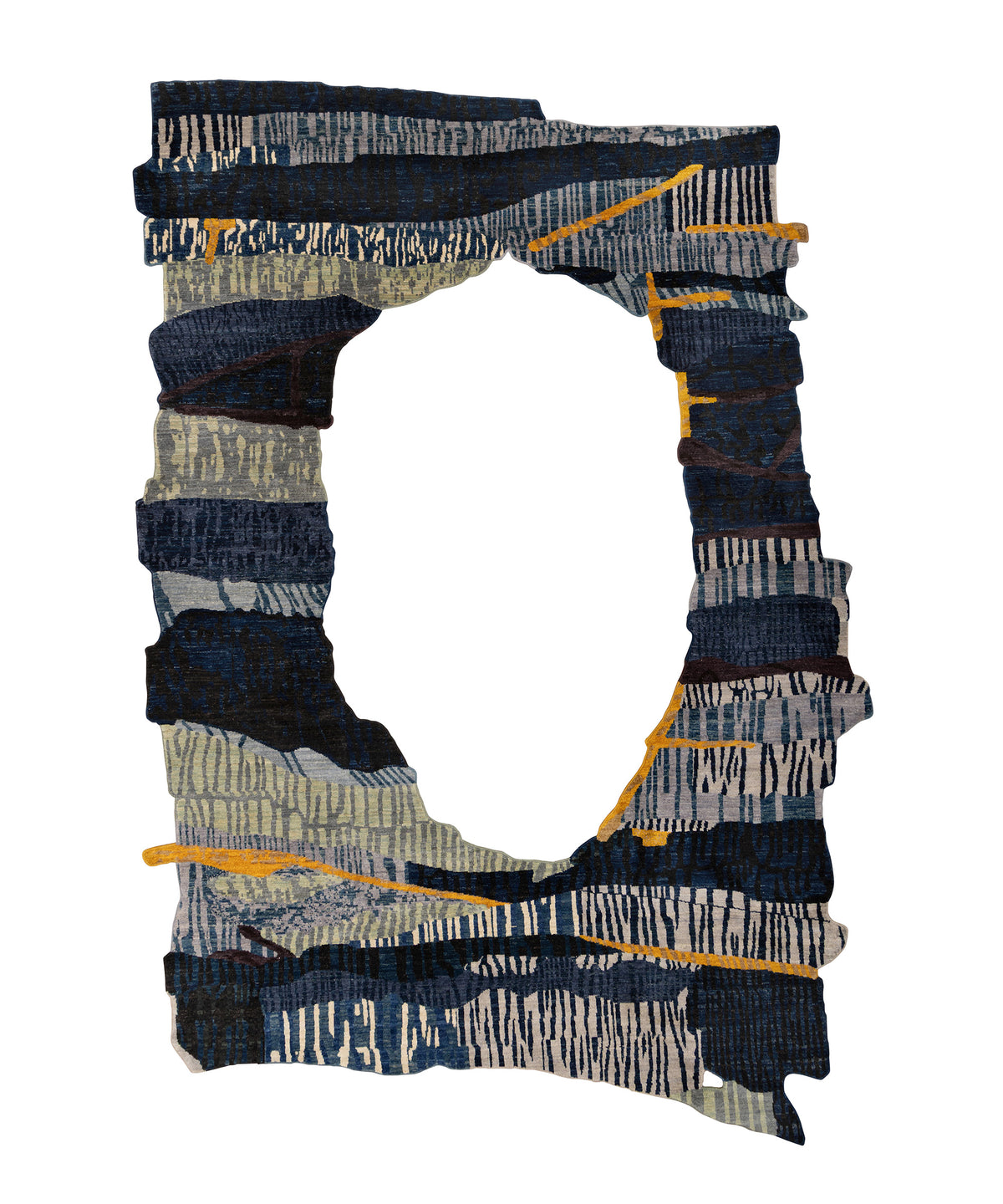
The Wound and the Loom follows Lapis Lazuli: The Wound and the Archive (2025), which held the same blue in stone. Where that work was cut and seamed in copper, this one is knotted. The rupture at its centre opens into a single void, allowing the wall to become part of the work- an aperture rather than a background. Ochre lines cross the surface like sutures, holding together what has been fragmented.

Stay updated
Newsletter
Sign up to receive stories, hear about our launches and get 10% off your first order.