

Traces of Aleppo
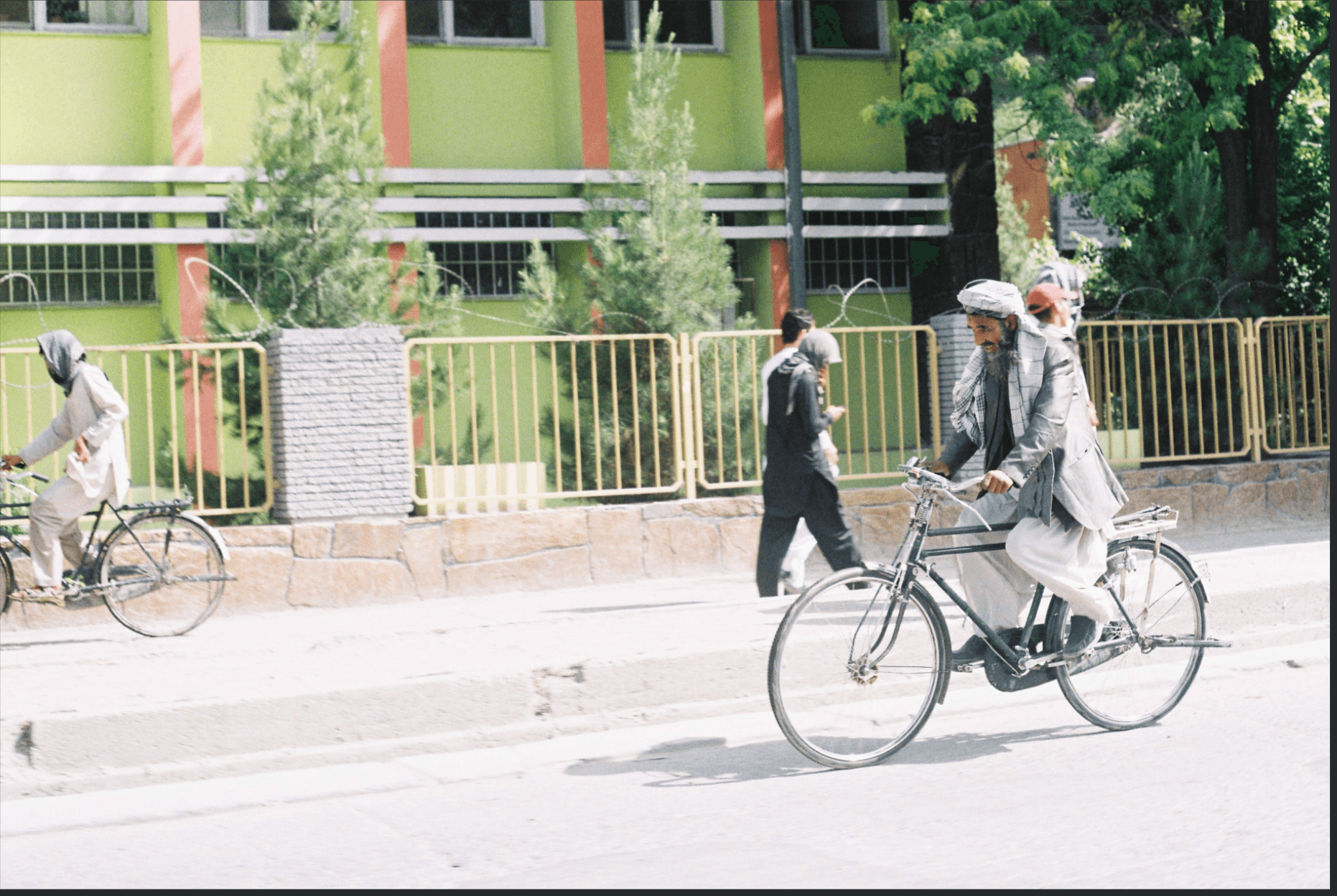
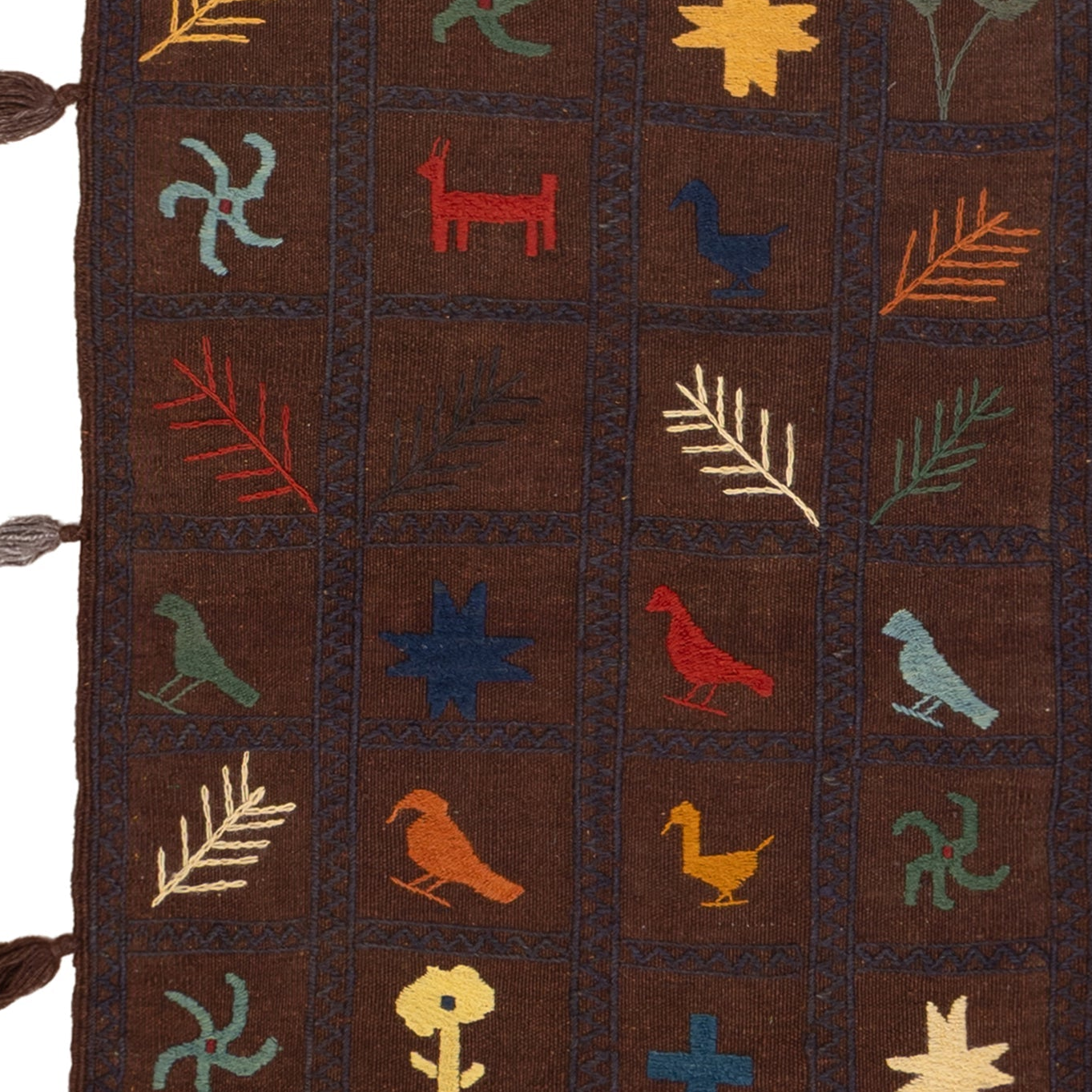
Fig 1. Traces of Aleppo [source unknown]
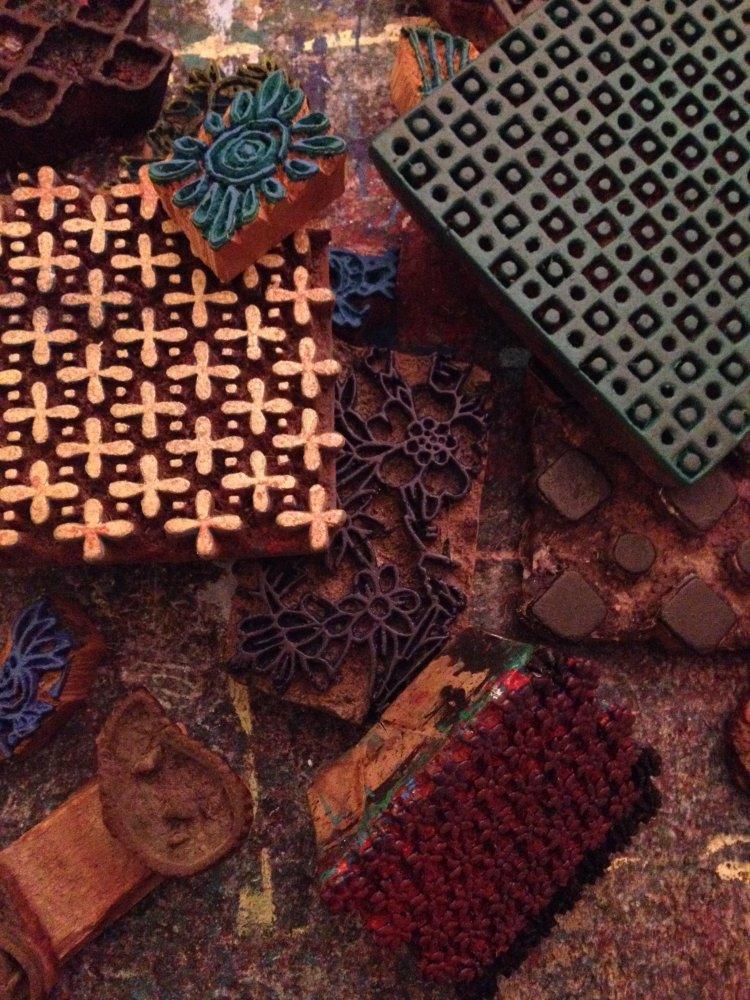
Zaina Sabbagh bought her first wooden printing block when she was 14. She found it in the Aleppo Souk where she was shopping with her dad. The little bird, has stayed with her ever since. ‘Its my lucky charm’, Zaina says. A personal talisman.
Its the summer of 2016. We are standing in Zaina's Beirut apartment, talking over a large ink-stained table. We've been in Lebanon for a month searching for Syrian artisans to work with. We finally managed to track Zaina down on our last day in the country.
Zaina's 'lucky charm' dates back more than 400 years. Its handle has been worn smooth by centuries of firm grips. Holding it you can feel the shape of past owners thumbs and forefingers. In her apartment, Zaina proudly shows us the rest of her collection, many of which date back to a similar era.

Fig 2. Worn smooth by centuries of firm grips [source unknown]
This collection is only a part of what Zaina once owned. In 2012, the souk of Aleppo was destroyed in a tragic fire as the regime and rebels fought over the city. 8 miles of fabled covered ways and caravanserai were lost. Zaina was forced to flee Aleppo, and rescued what printing blocks she could. Leaving for Lebanon with all her life possessions, she took boxes and boxes of printing blocks with her. Despite her sacrificing many of her other personal possessions to keep her blocks with her, more than 300 were left behind.
The ones that Zaina did manage to rescue have managed to help Zaina rebuild her life, and now the lives of other vulnerable women around her. Two years ago Zaina set up an NGO which trains refugee women in the art of block print. They are Iraqi, Palestinian, Lebanese and Syrian. And they all have painful stories to tell.
Zaina has taken over the top floor of an apartment block, emptied rooms to make room for sowing machines and block printing stations, and created a creche so that the women can bring their children along. ‘We’re building a small community together’, Zaina explains. Many of these women have nothing, what they learn with Zaina is more than block printing - above all its a source of confidence, pride.
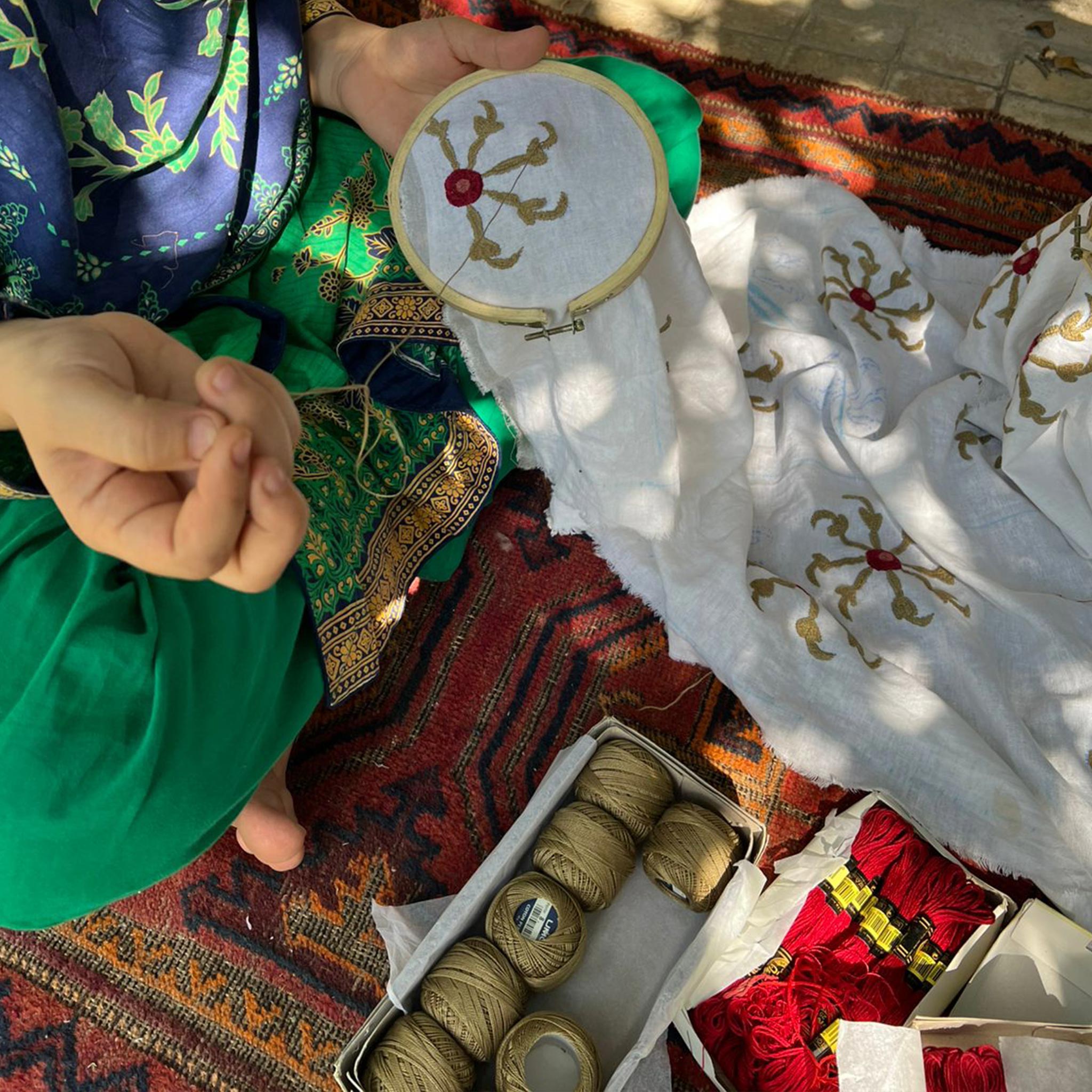
‘Block printing is spiritual’. Zaina explains. As the women move across the fabric, they apply the ink with pressure and rhythm which somehow reflects the feeling of the person applying it. No two pieces are exactly the same - they each have a soul of their own. Embrace the irregularities, Zaina urges, they are what give each block print its soul.
When Zaina talks about her work, you can see both pride and sadness fill her face. ’In this way, in this very fine way, we can remind the whole globe that we exist’.