


GUEST EDIT | RUBY ELMHIRST
Ruby Elmhirst is a creative producer, working with sustainable and socially conscious designers, artists and brands on unique projects across an array of mediums. Originally from London, her family lives between rural Jamaica and New York. This contrast has vastly informed her mission to promote opportunity, acceptance, education and diversity within design. For this edit she shares her interior wishlist as we get into winter and spend more time indoors.
I have always been interested in the spaces that we spend time in and how design impacts our lived experience. In this era of fast homeware, I am particularly drawn to rooms layered with passed along pieces and handmade objects.
Whether it is found, thrifted or created and regardless of minimalist design or abundant maximalism, I think that choosing thoughtful possessions not only benefits the environment and supports craftsmanship, but gives me a more rooted sense of place.
I have always been interested in the spaces that we spend time in and how design impacts our lived experience. In this era of fast homeware, I am particularly drawn to rooms layered with passed along pieces and handmade objects.
Whether it is found, thrifted or created and regardless of minimalist design or abundant maximalism, I think that choosing thoughtful possessions not only benefits the environment and supports craftsmanship, but gives me a more rooted sense of place.
My Wishlist
Lapis Tumbler from Herat, Afghanistan
Glasses were my first introduction to Ishkar and my mother has been a long term fan of Ishkar’s glassware. Herati glass is known for its mesmerizing vibrant and distinct colors, but more than that I love the individual shapes which serve as a reminder that imperfection can be far more unique and valuable.
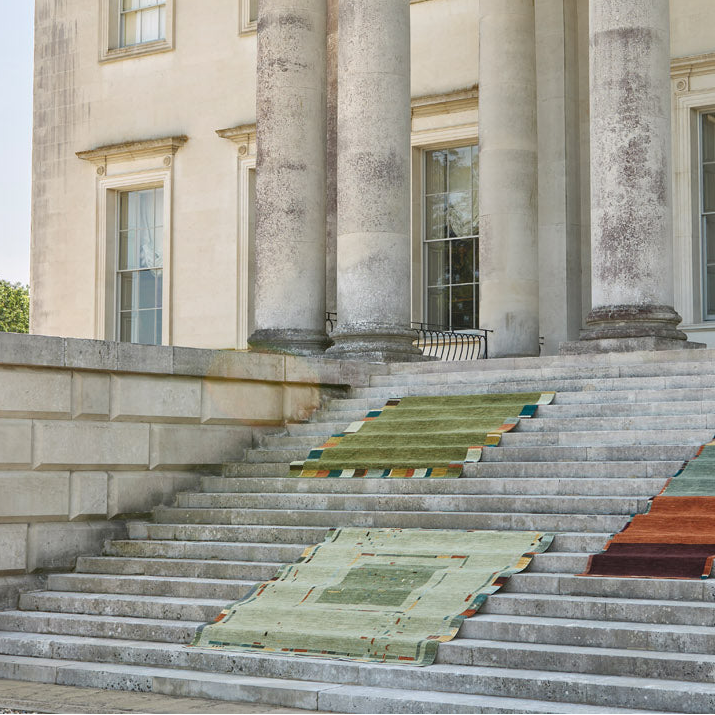
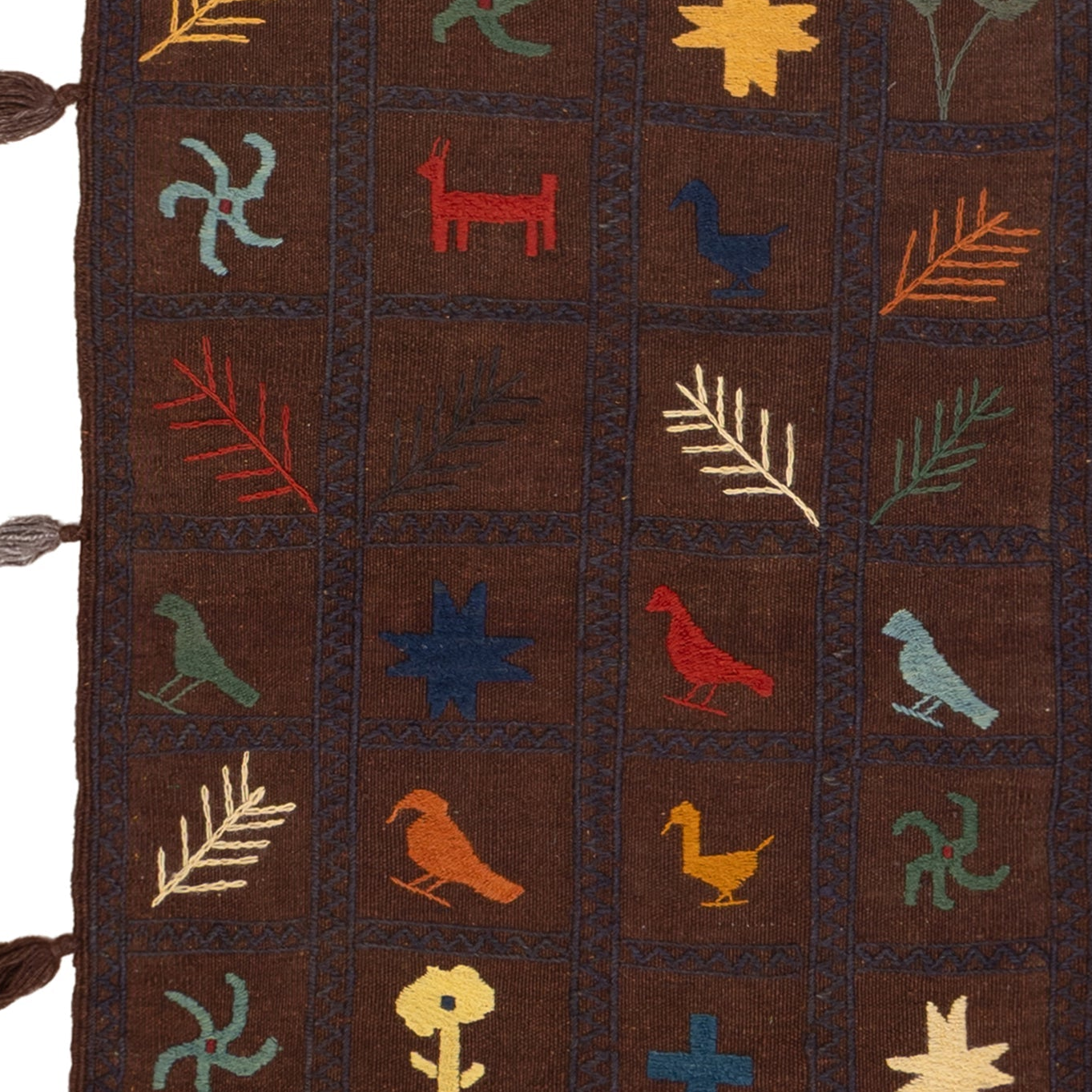
Sultani Carpet in Midnight, Afghanistan
This piece takes master artisans in Afghanistan around four months to weave from Ghazni wool, drawing on the age-old craft of the Kuchi tribe. So often, we see these designs replicated by other homeware brands with no reference to the historic significance and source cultures. I love that this piece is not only beautiful but supports the continuation of a traditional craft.
Afghan Box Camera by Birk Foley
This photography book shares images by dozens of Afghan street and portrait photographers who have used the handmade instant camera over the last seventy years. What is interesting is that the mode of production is just as engaging as the result as the Kamra-e-faoree’s are unique and beautiful objects in themselves.
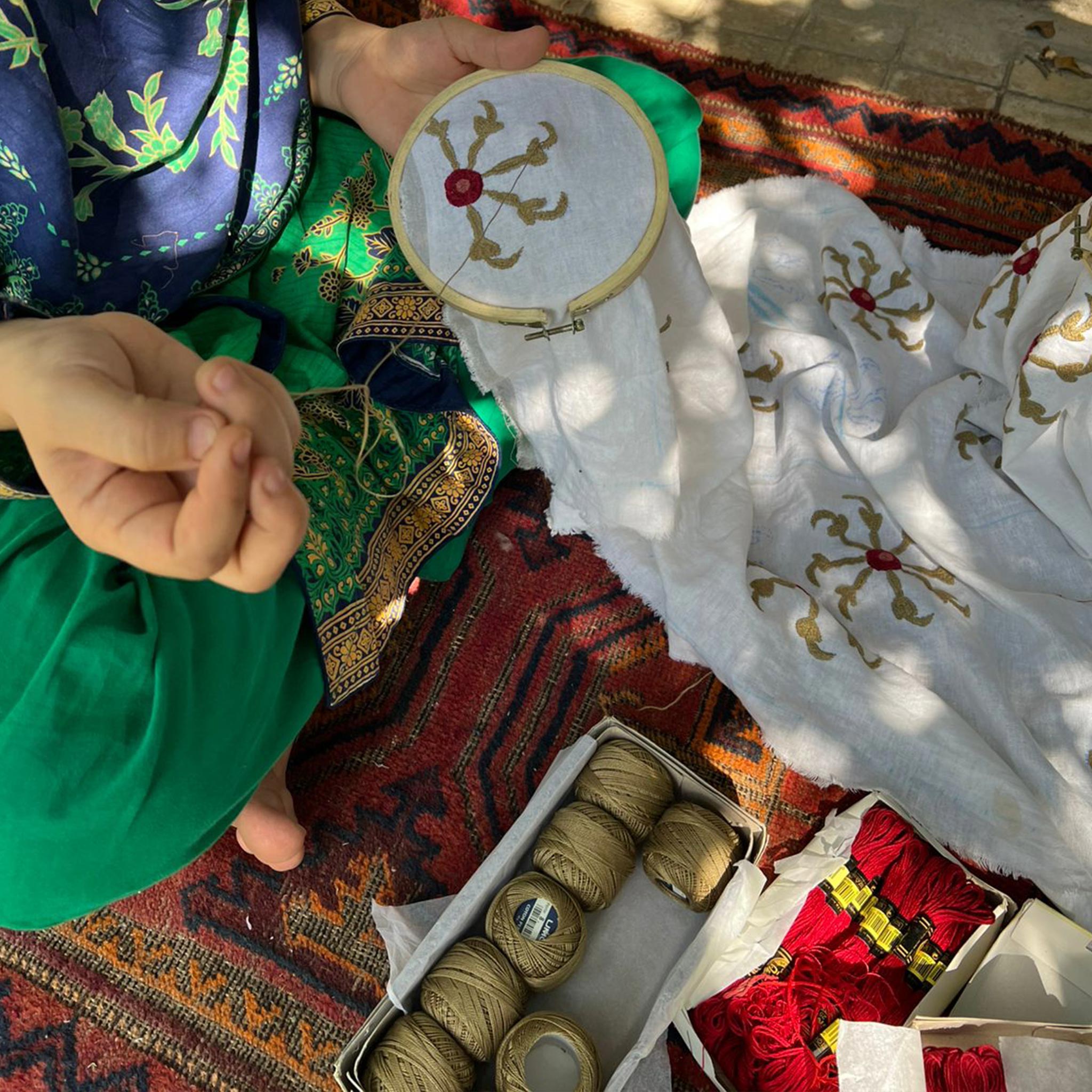
Seraga Napkins, Egypt
These linen napkins are a favorite. Malaika’s embroidery school, Threads of Hope, trains vulnerable women so they can be self-employed and work from home on commissions. The label also works flexibly, so that each piece is a collaborative effort and each artisan can work to her own strength.
Lapis Tumbler from Herat, Afghanistan
Glasses were my first introduction to Ishkar and my mother has been a long term fan of Ishkar’s glassware. Herati glass is known for its mesmerizing vibrant and distinct colors, but more than that I love the individual shapes which serve as a reminder that imperfection can be far more unique and valuable.
Sultani Carpet in Midnight, Afghanistan
This piece takes master artisans in Afghanistan around four months to weave from Ghazni wool, drawing on the age-old craft of the Kuchi tribe. So often, we see these designs replicated by other homeware brands with no reference to the historic significance and source cultures. I love that this piece is not only beautiful but supports the continuation of a traditional craft.
Afghan Box Camera by Birk Foley
This photography book shares images by dozens of Afghan street and portrait photographers who have used the handmade instant camera over the last seventy years. What is interesting is that the mode of production is just as engaging as the result as the Kamra-e-faoree’s are unique and beautiful objects in themselves.
Seraga Napkins, Egypt
These linen napkins are a favorite. Malaika’s embroidery school, Threads of Hope, trains vulnerable women so they can be self-employed and work from home on commissions. The label also works flexibly, so that each piece is a collaborative effort and each artisan can work to her own strength.

Ruby Wears:
This vest is hand-crocheted in Bekaa by Lamsa (‘touch’ in Arabic), a collective of Syrian and Lebanese women. Each vest takes two days to craft by combining traditional Syrian and modern crochet techniques from the artisans’ imaginations. A major reason I became interested in sustainable methods of production was because of embroidery, which, similar to crochet, is also historically a way in which artisans would pass along messages and express themselves creatively.
Tarq Charm Necklace, Jordan
This necklace is made by Tamara Hajjir, a graduate from the Turquoise Mountain program. I worked with Turquoise Mountain on a project a while back and was really inspired by the organization's work with local restorative projects that give opportunities to artisans in the form of training programmes for both existing and next generation artisans.
Ishkar Stack Ring - Bamiyan Turquoise
I had never heard of Bamiyan Turquoise before (its scientific name is Chrysocolla) but the colour is captivating. The artisans that create these pieces cannot be named or credited since the Taliban takeover, but the sheer fact that they are still able to practice their art and create such beautiful objects is inspirational.