

The craft of smuggling
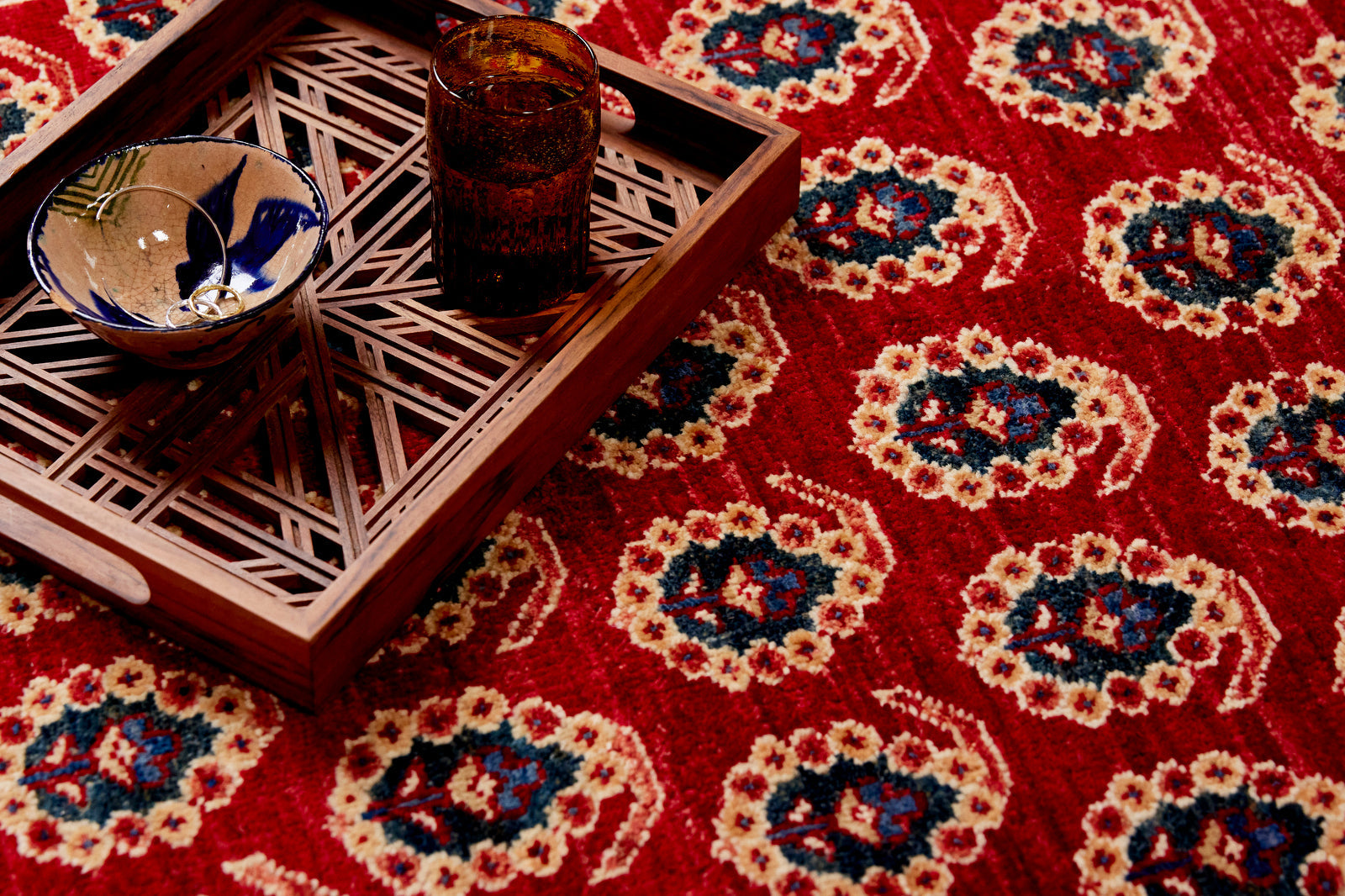
A shipment of one of our wooden Jali trays was recently held by Border Force.
When we finally received the package, we unwrapped the packaging to find that Border Force had drilled a small hole through the tray.
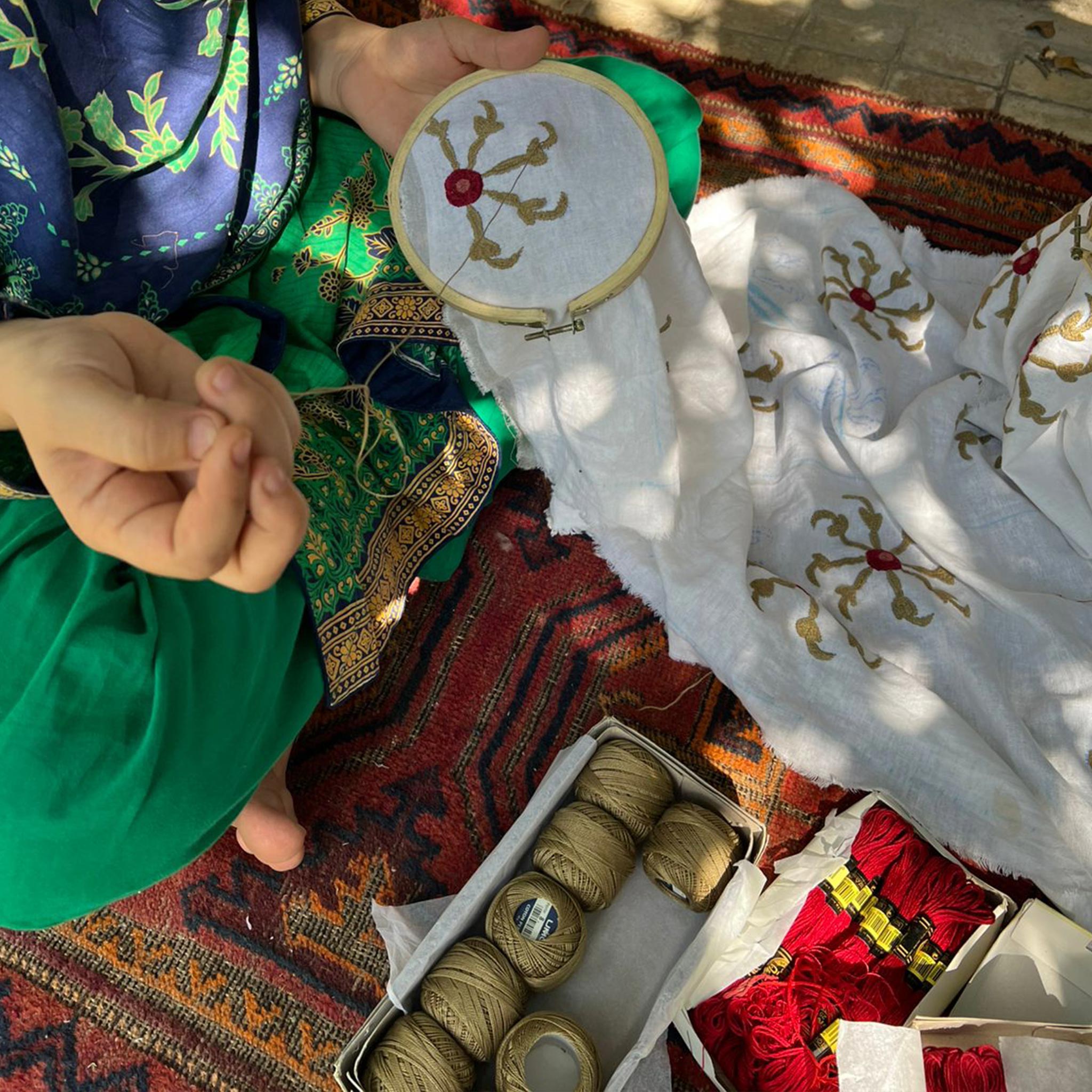
Each of our £600 Jali trays takes an artisan many days to make. Crafted from hundreds of individually hand sliced pieces of walnut wood and intricately held together through nothing but wooden joints, each piece is a work of art.
And now it is unsellable.
What could have compelled Border Force to destroy one of our trays?
Well, Border Force didn’t tell us, but we can guess: they were looking for drugs.
Afghanistan has long been a major exporter of drugs. Afghanistan’s potent hash was made famous during the hippie trail in the 1960s and until the Taliban’s recent crackdown, Afghanistan produced approximately 90% of the world’s opium.
It makes sense that craft - one of the country’s largest legal exports - has regularly been co-opted to smuggle the country’s largest illegal export.
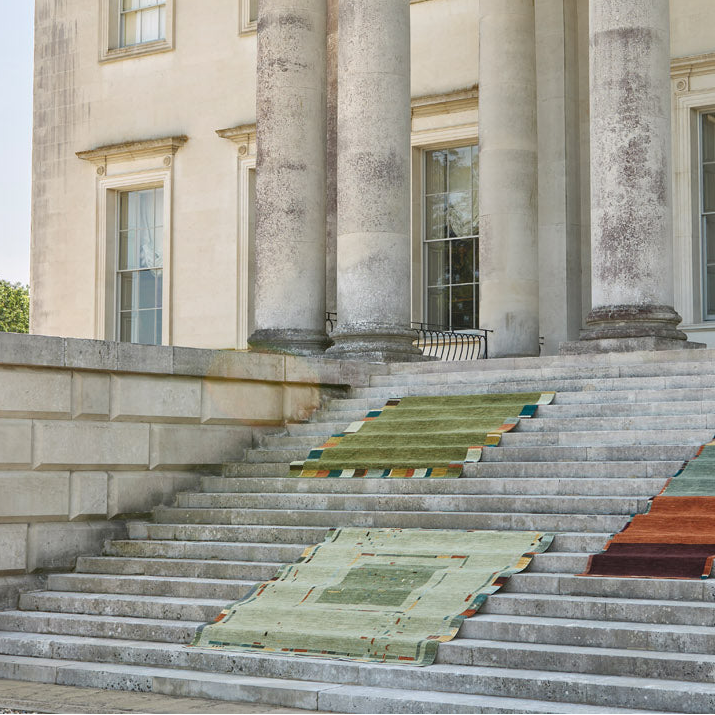
A few years ago Chinese officials seized more than 30 carpets containing 50kg of heroin. Drug smugglers injected heroin into fine plastic tubes of just 1-2mm in diameter, and camouflaged them with woolen yarn, weaving them into the carpet alongside normal strands of wool.
Border Force you’re not forgiven, but you are understood.
-
UPDATE: In an unexpected turn of events, a Border Force employee reached out to us after hearing this story looking to buy the Jali tray in question, drilled holes and all.
An origin story that has well and truly come full circle, we couldn’t be happier that this one-of-a-kind Jali tray will find a new home with someone who understands that story better than anyone.
Border Force, you just might be forgiven after all...