

Moral conundrum? | Letter from our Co-founder
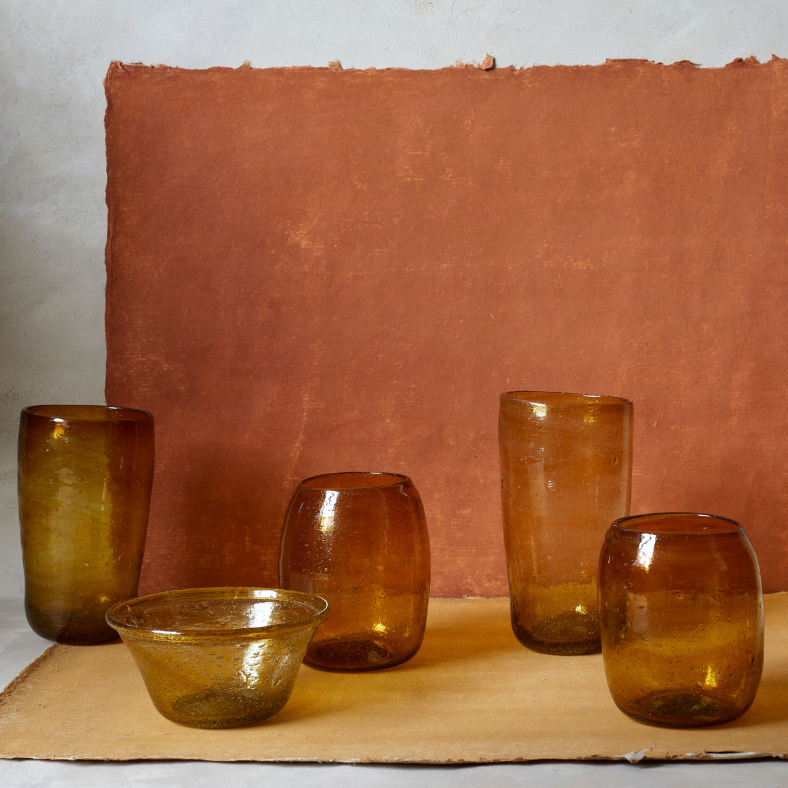
“I love my glasses and my husband wants to buy me some more.
But I’m concerned about supporting a regime which is so oppressive to women.
I’ve never been and so I don’t know much other than what I read in the news, which isn’t encouraging.
Any information you can share would be greatly appreciated.”
-
Last week we received this question from a customer. It’s a great question, and one we’re often asked.
When Afghanistan fell to the Taliban in 2021 we immediately paused trading. We had two immediate concerns:
1. Would our partners be endangered by working with us?
2. Could we guarantee the money we sent to the country went directly to our artisan partners?
After 6 months of carefully assessing the situation we were reassured on both of these points. Since then we have doubled down on our work in Afghanistan. We hold a strong conviction that it has never been more valuable.
This is not in spite of the fact that the situation for women is worsening in the country, it is because of it.Following long-standing bans on women’s participation in secondary and tertiary education, in September of this year a new law was announced against women’s voices being heard in public.
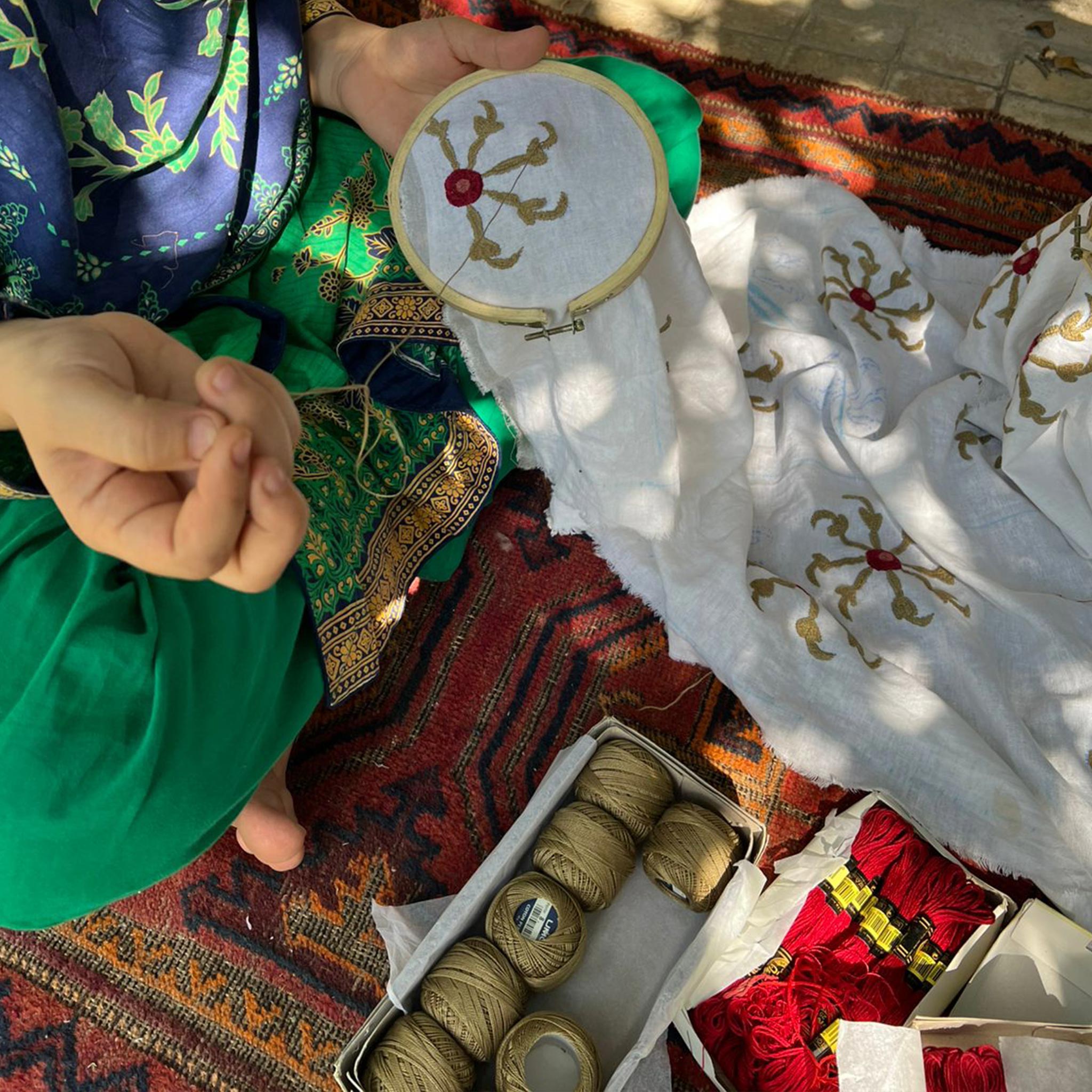
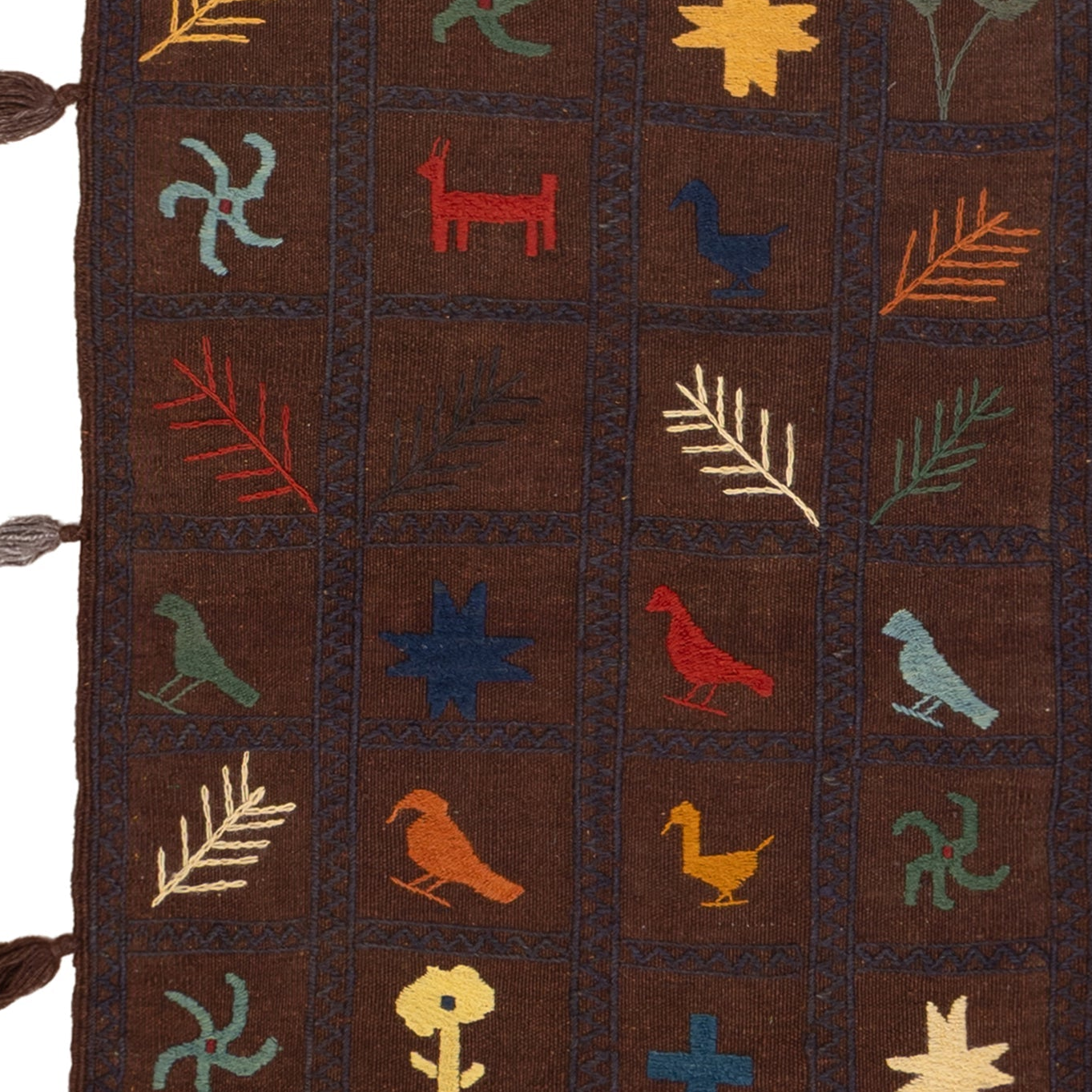
In this situation, craft has become a psychological and economic sanctuary. Alongside midwifery and security, artisan jobs are among the few that women are able to do. With over a million carpet weavers practicing in Afghanistan, the majority of whom are women, many female artisans across Afghanistan have become the main bread-winners in their family at a time when the country is facing a severe economic crisis.
People may claim that our work in Afghanistan supports the Taliban. And they are right, to some extent. We are creating jobs and boosting trade. But that is a macro point. One that whiffs of the armchair. If we stopped working in Afghanistan, who would benefit?
Our moral calculus is clear. Our responsibilities lie with the people we work with directly. Here the moral judgment is straightforward.
Thanks to you and your purchases we have the power to carve out a positive impact that makes a real difference to individuals' lives.Commercial connections are more than about money flowing from one place to another. Commercial connections lead to personal connections, personal connections lead to shared knowledge, inspiration and empathy. The world is enriched as a result.
Our decision to deepen our work in Afghanistan is not only altruistic. ISHKAR’s glasses are currently being sold at the British Museum’s Silk Road exhibition. Seeing the show we were reminded that what we’re doing is the continuation of the same patterns of trade seen for centuries.
Like merchants before us, we are working in Afghanistan for one reason only. We believe that the craftspeople, and the materials and techniques they work with, are among the best in the world.
-,Edmund Le Brun