

Another Victim Afghanistan Cannot Afford To Loose
The village of Istalif sits high in the foothills of the Hindu Kush, looking out over clear mountain streams, grape orchards, crooked mudbrick houses and scattered copse of walnut and mulberry. For hundreds of years, Kabulis - including the Emperor Babur himself - escaped the dusty capital for Istalif’s gardens and to shop in the famous bazaar, where the sole custodians of Afghanistan’s pottery tradition sold their wares, richly glazed ceramics in colours of emerald green, amber and turquoise.
In the late 1990s, this paradise was witness to tragedy. As the Taliban advanced on the armies of the Mujahideen, Istalif’s potters buried their equipment, packed up their possessions and fled to Pakistan. The Taliban burned large parts of the village to the ground. Istalif’s centuries-old pottery industry was snuffed out.
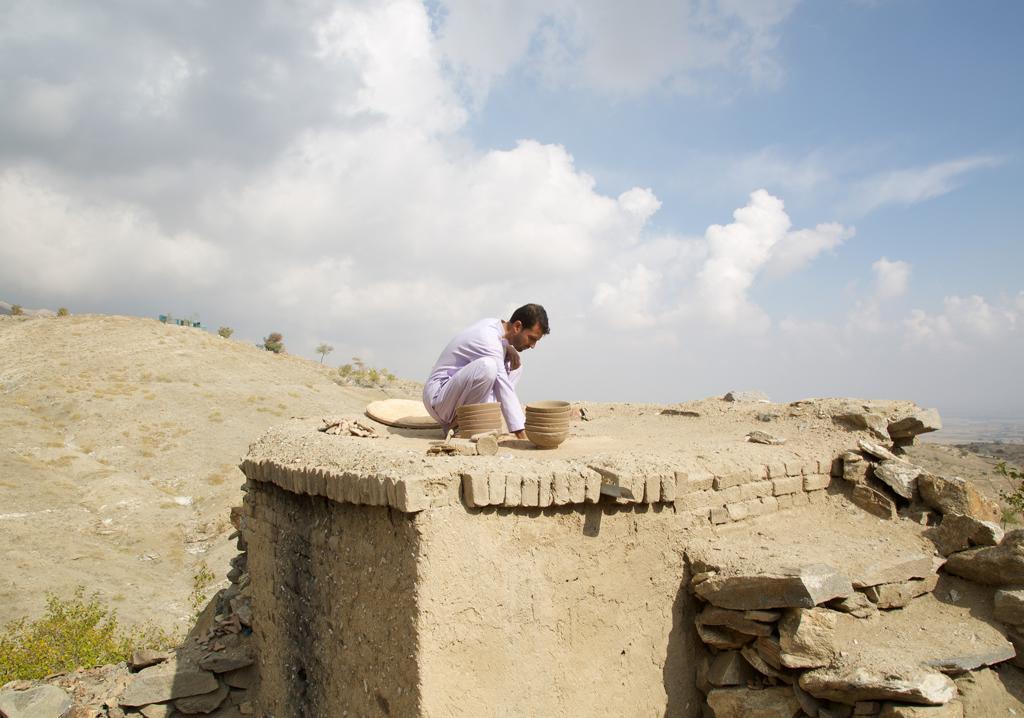
Among those fleeing Istalif that day was a young potter called Mansoor. Following the fall of the Taliban in 2001, Mansoor returned to Afghanistan with his family. Mansoor unburied his kickwheel and set out on reviving Istalifi pottery. Supported by the NGO, Turquoise Mountain, international potters came to Afghanistan to lend their hand to the cause. Mansoor discovered new methods, including how to harness the foraged desert shrub, Ishkar, to create deep, characterful glazes, and how to produce products for a new audience that had arrived in Kabul - international aid workers, diplomats and journalists demanding high quality, consistent products, strong enough to survive their journey home.
I had the pleasure of working closely with Mansoor during those years. Watching him at work was hypnotic. He would enter a deep state of concentration as his foot would begin to drive the kick wheel, slowly, metronomically, his eyes focused on the slumped lump of clay before him. There was never any hesitation in his hands, no spare movement. Nothing in the world was important at that moment other than bringing a beautiful new object to life. Watching Mansoor was watching peace.
In August this year, history repeated itself. As the Taliban entered Kabul, Mansoor and his young family faced an impossible choice. Leave behind their beautiful village, their friends and family, their kickwheel, make for their airport and try their luck getting on an evacuation list, or wait for a life under the Taliban. Mansoor and his family were among the lucky ones. They made it out on a flight to Macedonia, where they are now waiting for a visa to a new country, they don’t know where.
Craft traditions are fragile. They are passed from one generation to another, until they’re not. Mansoor’s knowledge is not just in his hands, it is in thousands of tiny details that are specific to a place: how to source the right Ishkar in Afghanistan, where to dig up the best clay in the hills, what is the right temperature for firing at Istalif’’s altitude?
The survival of Istalif’s pottery tradition is once again uncertain. The departure of figureheads like Mansoor aside, what international market there was has disappeared overnight. Mansoor’s pottery once sold very well on our website and in our shop in Notting Hill, but with banks partially frozen we have no way of paying our partners in Afghanistan, and the logistics routes we used (already challenging), have now been cut off. The same is true for coloured hand blown glass from Herat, and lattice trays made from intricately cut pieces of walnut wood.
With the economy plummeting and food costs rising, there is no domestic market for craft either. Thoughts are on survival and necessities, not beautiful objects. Cash is in such short supply one of our old colleagues has just sold their car, ‘But it is much worse than that’ he tells me on WhatsApp ‘some people have had to sell a new born baby. We are so tired’, he says.
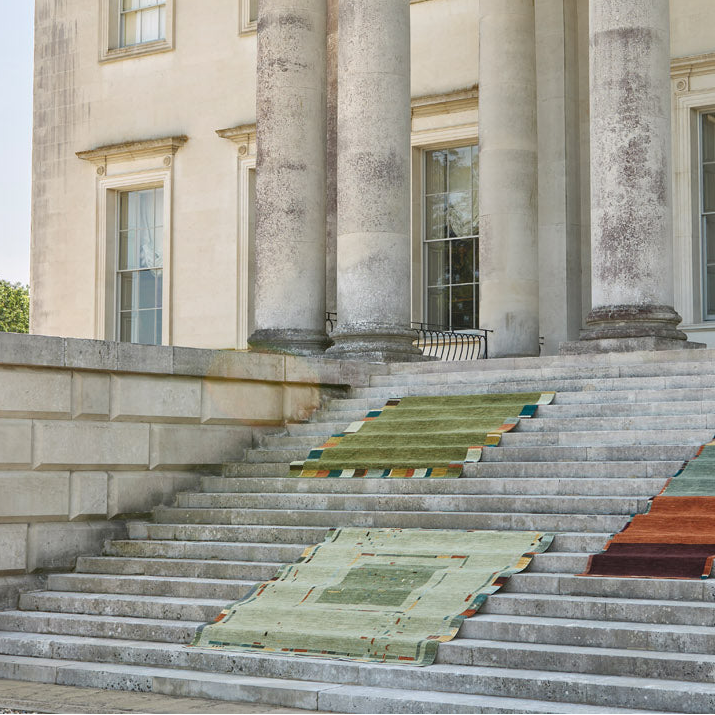
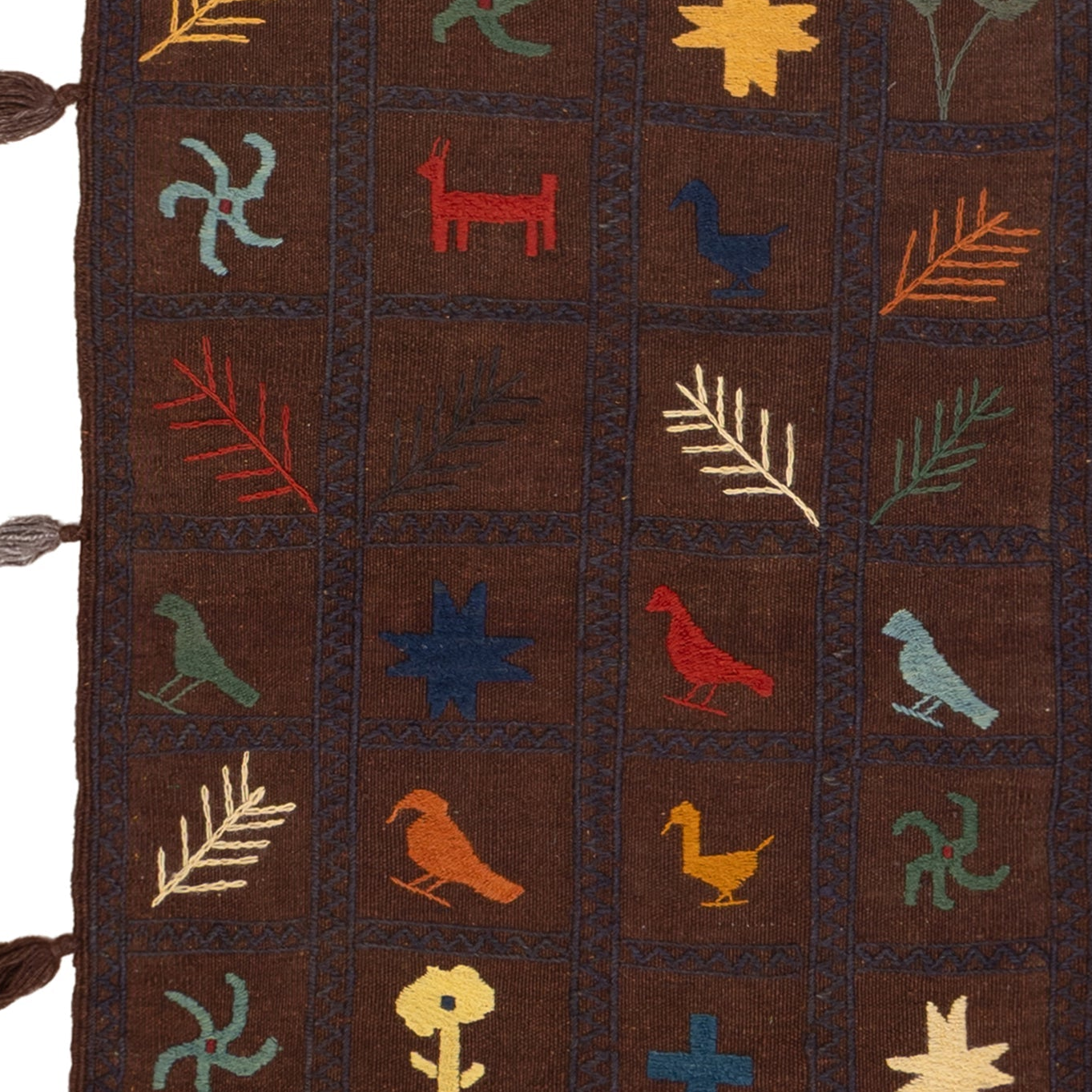
Already facing so much loss, craft is another victim of war Afghanistan cannot afford to lose. For the people of Afghanistan, craft is a crucial cornerstone of cultural heritage, a source of pride stretching from bactrian gold to today’s handmade carpet industry which is among the best in the world. Stamping ‘Made in Afghanistan’ on the back of a beautiful bowl means a lot to a people who are all too conscious that much of the world only knows Afghanistan for exporting opium and terrorism.
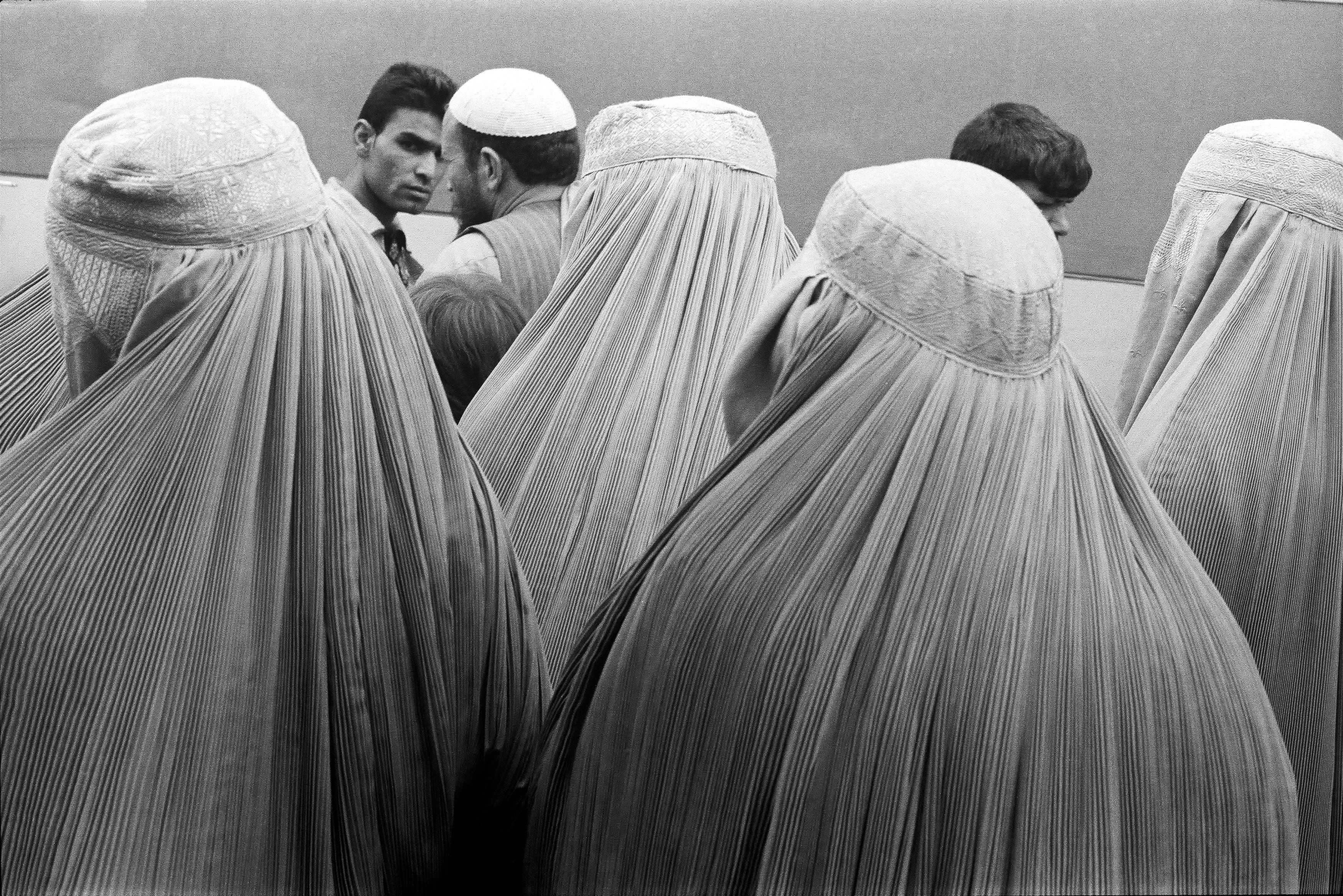
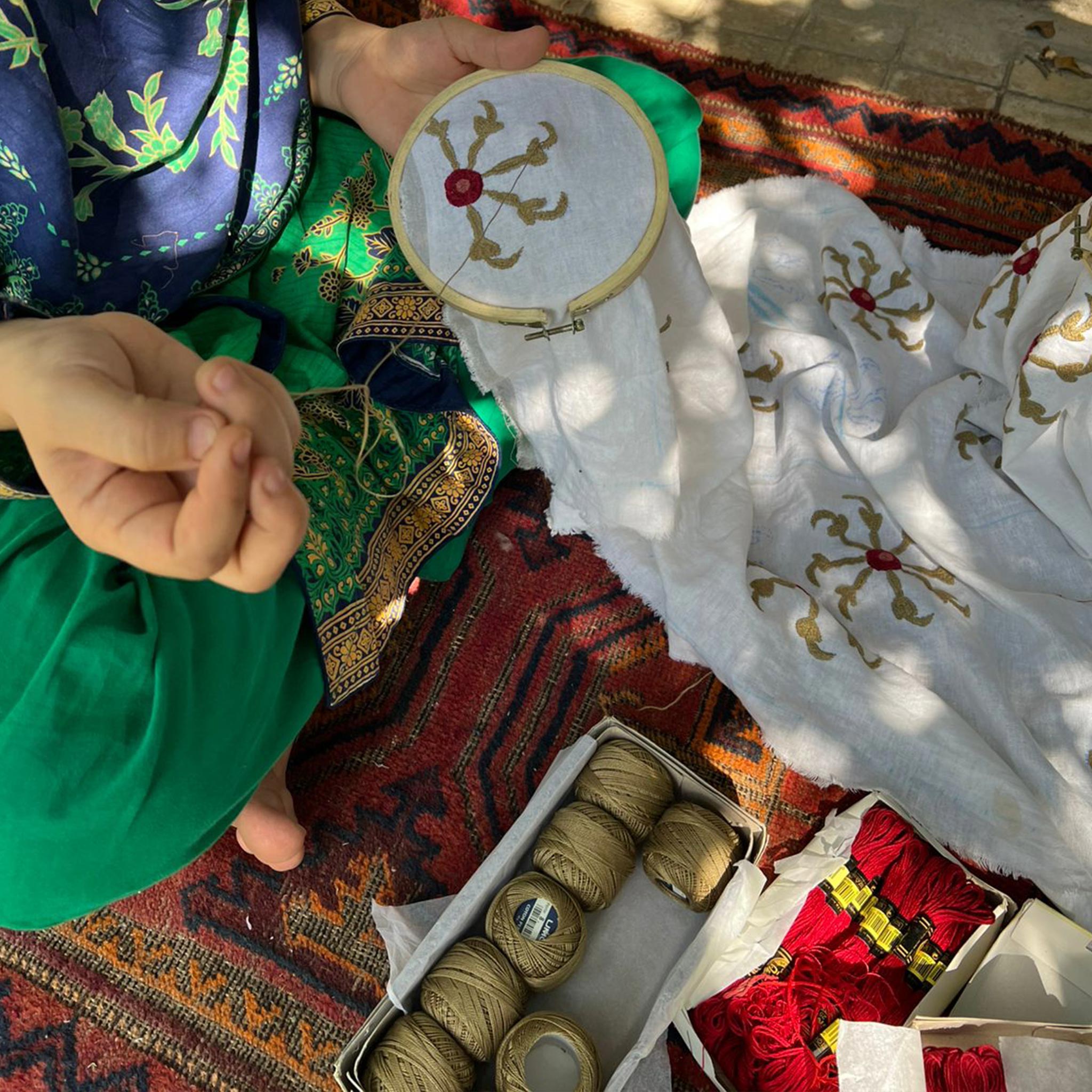
The collapse of the craft industry is also a grave economic loss. We work with hundreds of artisans across Afghanistan, each one connected to long value chains. Craft is also one of the largest employers of women in the country, and one of the few industries where women should be able to continue working unhindered by the Taliban’s new laws as many crafts can be practiced from home.
Despite the challenges, our hearts remain in Afghanistan and we are determined to continue working with our artisan partners as long as it is safe for them to do so. We are hopeful that we will eventually find a way to navigate the new banking and logistical barriers. Until that day we are wrapping all our Istalifi pottery and Herati glass in thick reams of cotton wool. There is a real risk that once broken they might be lost forever.
In the late 1990s, this paradise was witness to tragedy. As the Taliban advanced on the armies of the Mujahideen, Istalif’s potters buried their equipment, packed up their possessions and fled to Pakistan. The Taliban burned large parts of the village to the ground. Istalif’s centuries-old pottery industry was snuffed out.
Among those fleeing Istalif that day was a young potter called Mansoor. Following the fall of the Taliban in 2001, Mansoor returned to Afghanistan with his family. Mansoor unburied his kickwheel and set out on reviving Istalifi pottery. Supported by the NGO, Turquoise Mountain, international potters came to Afghanistan to lend their hand to the cause. Mansoor discovered new methods, including how to harness the foraged desert shrub, Ishkar, to create deep, characterful glazes, and how to produce products for a new audience that had arrived in Kabul - international aid workers, diplomats and journalists demanding high quality, consistent products, strong enough to survive their journey home.
I had the pleasure of working closely with Mansoor during those years. Watching him at work was hypnotic. He would enter a deep state of concentration as his foot would begin to drive the kick wheel, slowly, metronomically, his eyes focused on the slumped lump of clay before him. There was never any hesitation in his hands, no spare movement. Nothing in the world was important at that moment other than bringing a beautiful new object to life. Watching Mansoor was watching peace.
In August this year, history repeated itself. As the Taliban entered Kabul, Mansoor and his young family faced an impossible choice. Leave behind their beautiful village, their friends and family, their kickwheel, make for their airport and try their luck getting on an evacuation list, or wait for a life under the Taliban. Mansoor and his family were among the lucky ones. They made it out on a flight to Macedonia, where they are now waiting for a visa to a new country, they don’t know where.
Craft traditions are fragile. They are passed from one generation to another, until they’re not. Mansoor’s knowledge is not just in his hands, it is in thousands of tiny details that are specific to a place: how to source the right Ishkar in Afghanistan, where to dig up the best clay in the hills, what is the right temperature for firing at Istalif’’s altitude?
The survival of Istalif’s pottery tradition is once again uncertain. The departure of figureheads like Mansoor aside, what international market there was has disappeared overnight. Mansoor’s pottery once sold very well on our website and in our shop in Notting Hill, but with banks partially frozen we have no way of paying our partners in Afghanistan, and the logistics routes we used (already challenging), have now been cut off. The same is true for coloured hand blown glass from Herat, and lattice trays made from intricately cut pieces of walnut wood.
With the economy plummeting and food costs rising, there is no domestic market for craft either. Thoughts are on survival and necessities, not beautiful objects. Cash is in such short supply one of our old colleagues has just sold their car, ‘But it is much worse than that’ he tells me on WhatsApp ‘some people have had to sell a new born baby. We are so tired’, he says.
Already facing so much loss, craft is another victim of war Afghanistan cannot afford to lose. For the people of Afghanistan, craft is a crucial cornerstone of cultural heritage, a source of pride stretching from bactrian gold to today’s handmade carpet industry which is among the best in the world. Stamping ‘Made in Afghanistan’ on the back of a beautiful bowl means a lot to a people who are all too conscious that much of the world only knows Afghanistan for exporting opium and terrorism.
The collapse of the craft industry is also a grave economic loss. We work with hundreds of artisans across Afghanistan, each one connected to long value chains. Craft is also one of the largest employers of women in the country, and one of the few industries where women should be able to continue working unhindered by the Taliban’s new laws as many crafts can be practiced from home.
Despite the challenges, our hearts remain in Afghanistan and we are determined to continue working with our artisan partners as long as it is safe for them to do so. We are hopeful that we will eventually find a way to navigate the new banking and logistical barriers. Until that day we are wrapping all our Istalifi pottery and Herati glass in thick reams of cotton wool. There is a real risk that once broken they might be lost forever.